Category: Articles & Analysis

Long-form guides, explainers, comparisons, analysis and sector assessments.

  • Behavior Analytics in Video Surveillance

    Behavior Analytics in Video Surveillance

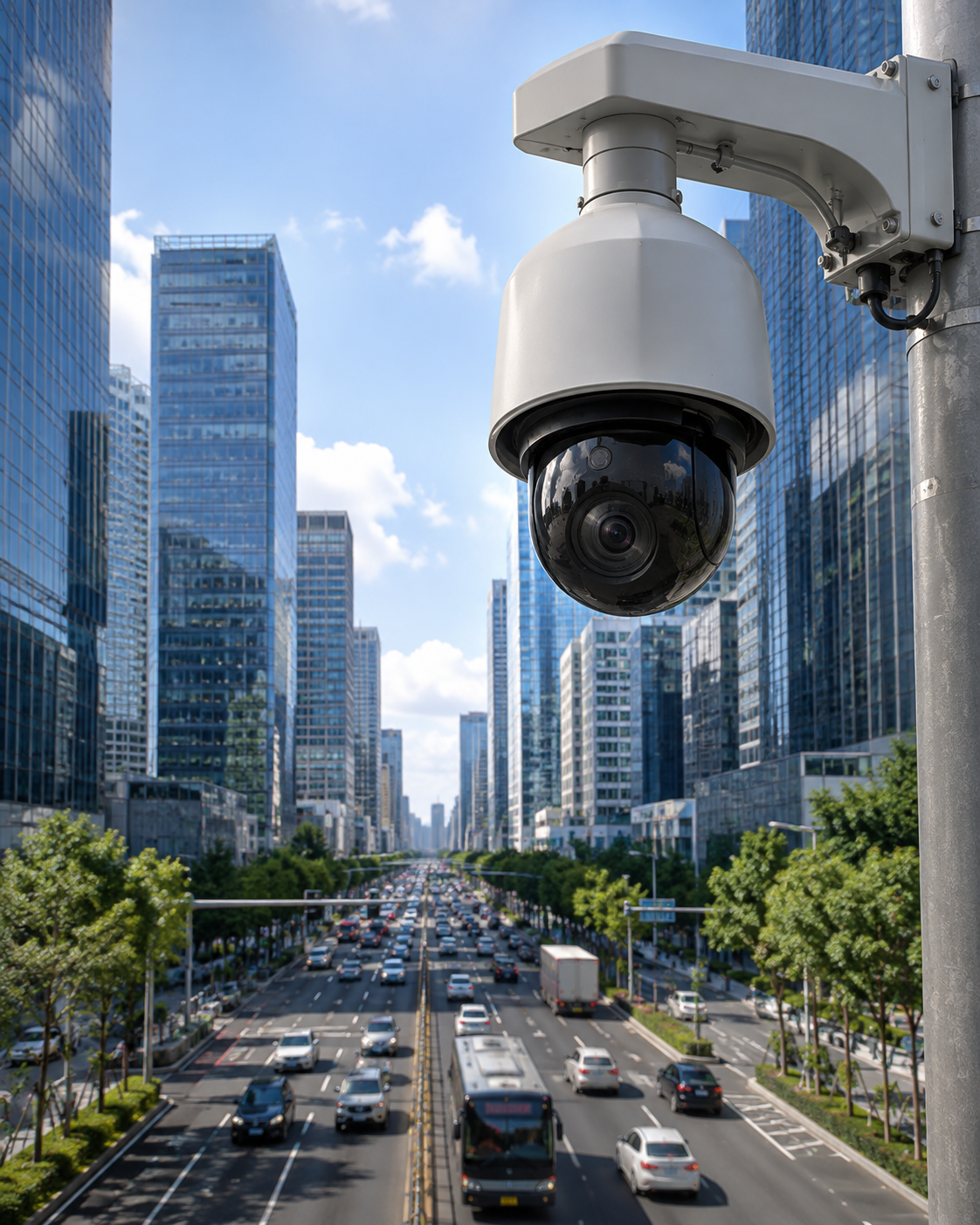
    Behavior analytics attempts to move video surveillance beyond detecting objects toward understanding activity. The term is used broadly, from simple loitering and direction-of-travel rules to complex claims about aggression, intent or abnormal behavior.

    How the Technology Works

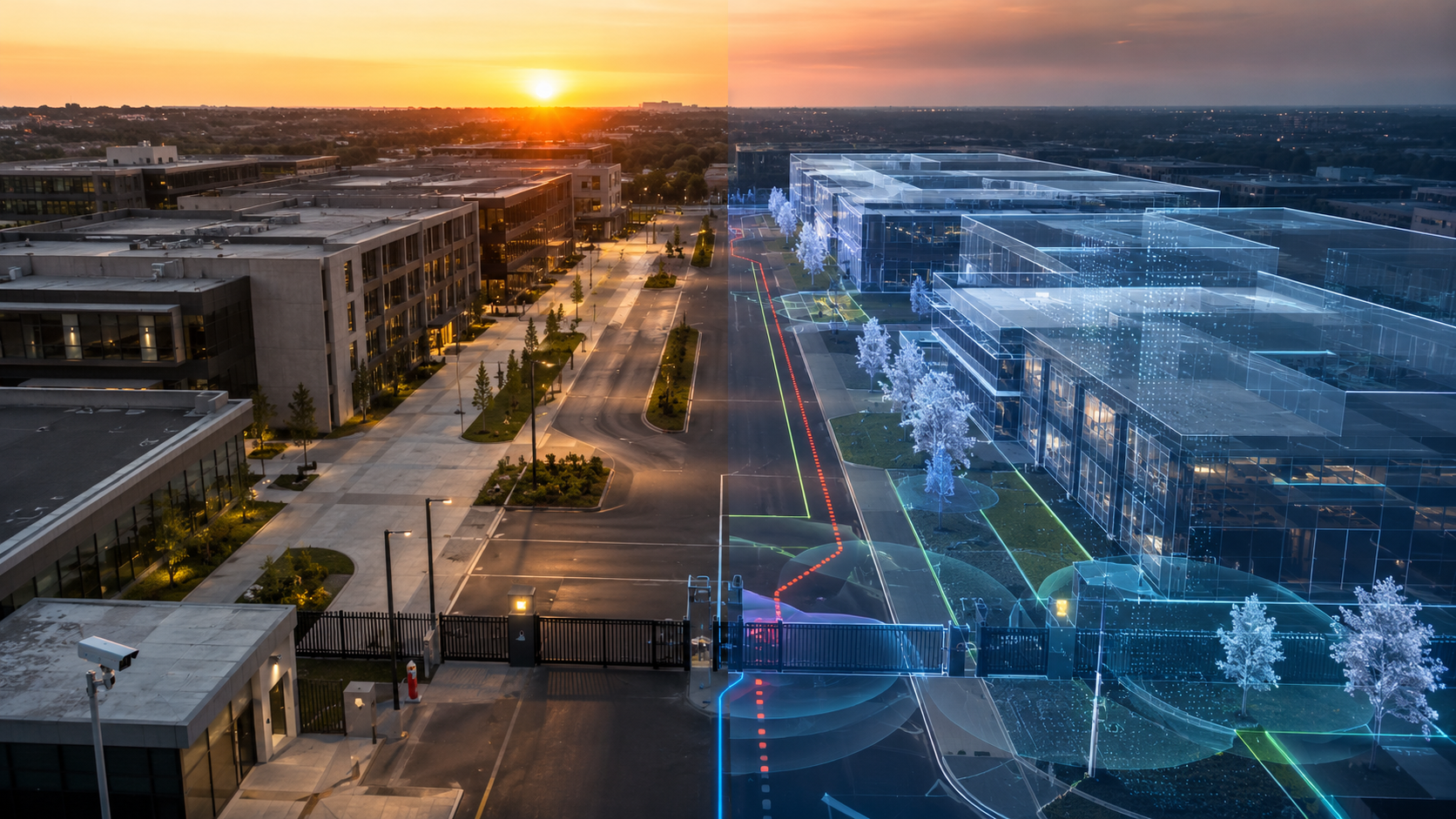
    The reliable end of the spectrum is based on measurable motion. A system can identify that a person has remained inside a defined zone for a certain time, crossed a virtual line in the wrong direction, moved against a crowd flow or entered an area during a restricted period. These are essentially spatial and temporal rules enhanced by object tracking.

    More advanced analytics may model patterns rather than fixed rules. In a station, the system might learn typical movement through a concourse and flag unusual clustering. In an industrial plant, it could highlight a person remaining near equipment where workers normally pass through quickly.

    Operational Considerations

    Context is the challenge. Running in an airport may be ordinary for a late passenger but unusual in a museum. A group gathering may indicate a queue, a tour or a security concern depending on the location and time. Systems that ignore context can overwhelm operators with false alarms.

    Camera design directly affects performance. Overhead views are useful for occupancy and flow. Frontal views may be better for direction and object classification. Occlusion, shadows, reflections and perspective can make behavioral interpretation unreliable. Analytics should therefore be considered during camera placement, not added after installation without site testing.

    Behavior analytics also raises privacy questions because it can create detailed information about movement patterns. Organizations should define a legitimate operational purpose and collect only the data needed for that purpose. Anonymous tracking may be sufficient for crowd-flow analysis.

    Deployment and Risk

    The best deployments combine behavior analytics with other systems. An unusual movement pattern becomes more meaningful when paired with an access-control event, perimeter alarm or building schedule. Sensor fusion can reduce false positives by confirming that several independent signals point to the same situation.

    Conclusion

    Behavior analytics is useful, but buyers should separate practical functions from marketing language. Ask what behavior is actually measured, how it is defined, how the model was validated and how performance changes in the target environment. Clear operational rules remain more dependable than vague promises of automated human understanding.

  • Predictive Security Analytics: Can Systems Detect Risk Before an Incident?

    Predictive Security Analytics: Can Systems Detect Risk Before an Incident?

    Predictive security analytics aims to identify elevated risk before a conventional alarm occurs. The idea is attractive: instead of reacting to an intrusion, theft or safety event, a system would detect patterns that suggest conditions are becoming abnormal.

    How the Technology Works

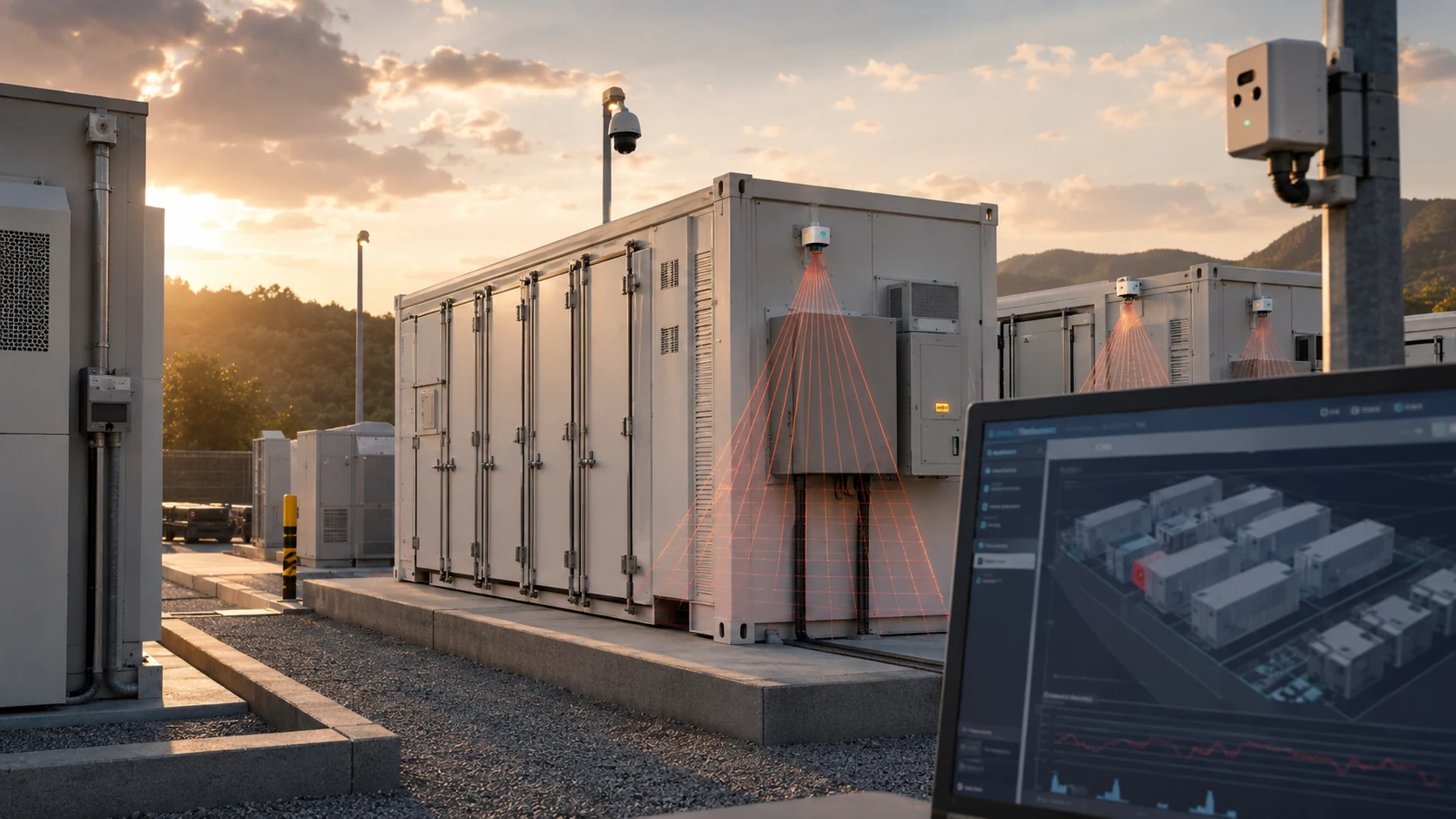
    In practice, predictive analytics is most credible when it focuses on systems and environments rather than human intent. A rise in repeated access denials, a failing perimeter sensor, unusual vehicle dwell times, degraded camera health or increasing temperature around critical equipment can all be early indicators of operational risk.

    The technology works by establishing baselines. A platform learns or is configured to understand normal activity by time, location, device and user group. It then highlights deviations. The value comes from combining many weak signals that would not be meaningful on their own.

    Operational Considerations

    For example, a warehouse may normally receive vehicles at specific gates during defined hours. A vehicle arriving at an unusual time, remaining near a restricted loading zone and coinciding with repeated access failures could justify operator attention even if no single event is severe.

    The danger is overclaiming. Predicting criminal behavior from appearance, emotion or loosely defined “suspicious” activity is scientifically and ethically problematic. Organizations should avoid systems that claim certainty about human intent without strong evidence and transparent validation.

    Good predictive security analytics is therefore closer to anomaly detection and risk scoring. It helps prioritize attention. A score should lead to review, not automatically label a person or event as malicious.

    Deployment and Risk

    Data integration is a major requirement. Video metadata, access events, intrusion alarms, maintenance data, environmental sensors and operational schedules become more useful when they share timestamps and location identifiers. Without normalized data, predictive models may generate noise rather than insight.

    Measurement is also essential. A deployment should define what constitutes a useful prediction, how early the warning must occur and how many false positives operators can tolerate. Success should be measured against real operational outcomes, not only model accuracy in a laboratory dataset.

    Conclusion

    Predictive analytics will become an important layer in enterprise security, but its strongest role is decision support. The most valuable systems will identify meaningful deviations early, explain the evidence behind the alert and allow experienced operators to decide what action is appropriate.

  • AI Agents in Security Operations Centers

    AI Agents in Security Operations Centers

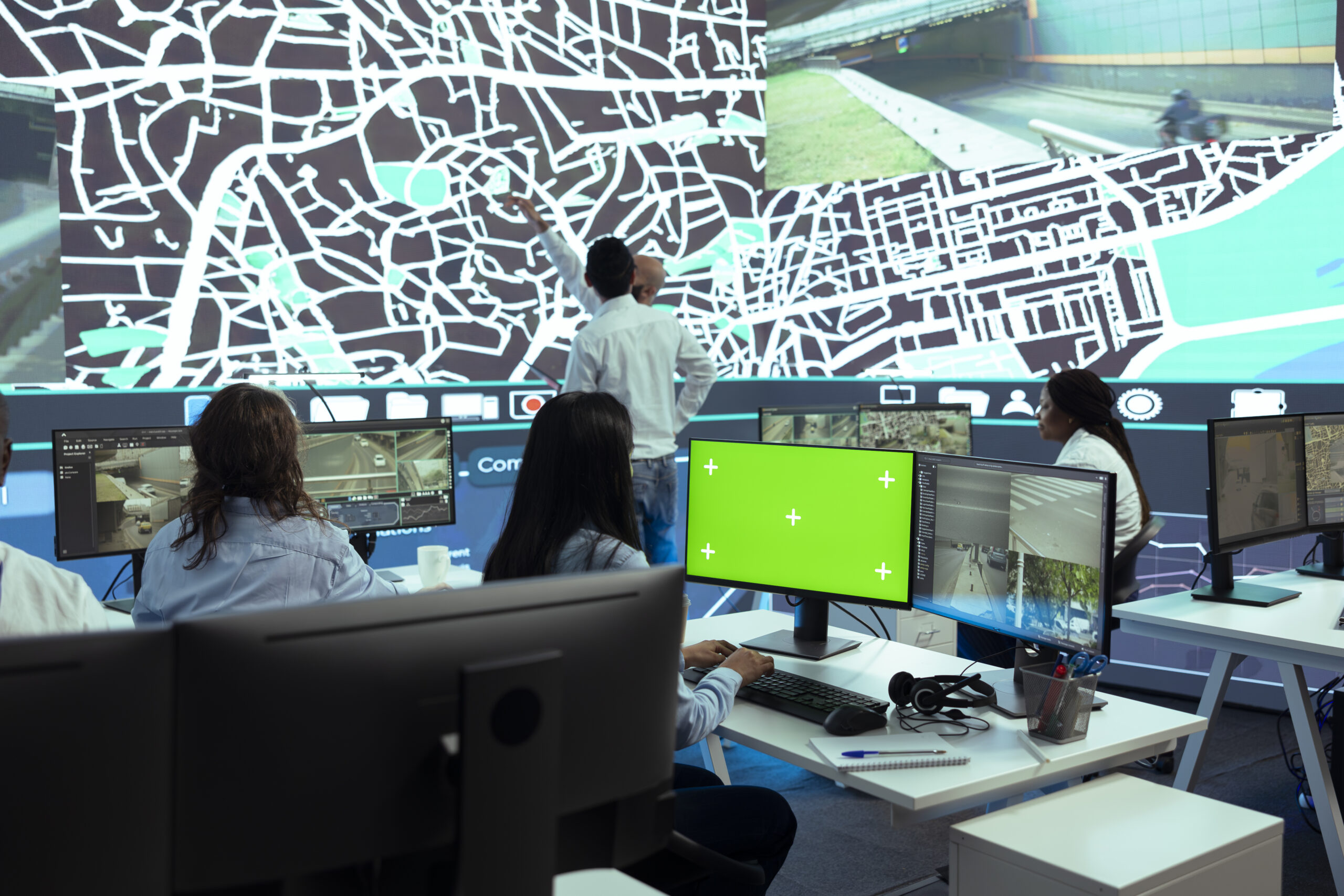
    Security operations centers receive events from cameras, access control, intrusion, fire, cyber, intercom and building systems. AI agents are emerging as a software layer for gathering and presenting that context.

    What an AI agent does

    An agent can receive an event, gather context, summarize what happened, suggest a response and, within defined permissions, execute an approved workflow.

    Useful early applications

    Drafting reports, classifying alarms, generating shift summaries, searching procedures and locating related video or access events can reduce repetitive work without automating high-consequence decisions.

    Permissions and human supervision

    Automatically unlocking doors, disabling alarms or changing surveillance configurations creates risk. Sensitive actions should require operator confirmation and clear authorization boundaries.

    Data quality and auditability

    Incorrect names, outdated maps or unsynchronized timestamps can mislead an agent. Recommendations and actions should preserve evidence, uncertainty, user approval and system state.

    The changing SOC interface

    Conversational tools may allow operators to query multiple systems through one layer, but the underlying integrations and source data must remain visible and verifiable.

    Conclusion

    The realistic direction is human-supervised autonomy: agents handle routine correlation and documentation while operators retain judgment and accountability.

  • Edge AI Cameras vs Server-Based Video Analytics

    Edge AI Cameras vs Server-Based Video Analytics

    Modern video systems can run analytics inside cameras, on local servers, in data centers or in the cloud. Processing location affects bandwidth, latency, scalability, maintenance and model lifecycle.

    Edge AI cameras

    Inference near the sensor can classify objects before video reaches the VMS, reduce central processing and allow immediate local actions or event transmission.

    Server-based analytics

    Central GPU resources can run more demanding models, share compute across cameras and support upgrades without replacing the camera fleet.

    Operational trade-offs

    Edge processing suits distributed sites with limited connectivity. Central systems simplify model deployment and support correlation across cameras or enterprise data.

    Cybersecurity and resilience

    Intelligent endpoints increase patching and monitoring requirements. Central servers reduce endpoint complexity but become high-value infrastructure requiring segmentation and redundancy.

    Lifecycle cost and hybrid systems

    Buyers should compare cameras, GPUs, rack space, power, licensing and support over the system life. Hybrid designs commonly combine edge detection with centralized search and correlation.

    Conclusion

    The correct architecture matches the operational problem. Most enterprises will use a mixture of edge and central analytics.

  • Natural-Language Video Search: The Next Generation of Investigations

    Natural-Language Video Search: The Next Generation of Investigations

    Natural-language video search allows investigators to describe an event in ordinary language instead of relying only on rigid filters or manual review of recorded footage.

    How the technology works

    A query is converted into semantic features and compared with indexed video metadata or embeddings. Operators can then refine candidates using time, camera, color, object type or movement filters.

    Why indexing matters

    Most systems process video in advance rather than reviewing every frame at query time. Searchable representations make large archives faster to explore.

    Limitations and verification

    Lighting can alter color, small objects may be invisible and ambiguous language can produce false matches. Every candidate result needs human verification against original video.

    Architecture and privacy

    Cloud models may update rapidly, while on-premise deployments may suit sensitive environments. Hybrid designs can retain original video locally and centralize selected metadata or embeddings.

    Evidence and operational impact

    Results should link to original video, timestamp, camera identity and export controls. Semantic search accelerates discovery but does not replace evidentiary discipline.

    Conclusion

    Natural-language search is likely to become a standard VMS capability, differentiated by search quality, privacy, indexing speed and integration.

  • AI Video Analytics in 2026: What Actually Works

    AI Video Analytics in 2026: What Actually Works

    AI video analytics has moved from a specialist add-on to a core layer of modern physical security. The useful question is where it performs reliably enough to improve operations and reduce investigation time.

    Mature use cases

    Person and vehicle detection, line crossing, loitering, occupancy, queue analysis and basic object classification can be effective when scenes and objectives are clearly defined.

    Claims that require caution

    Vague predictions of suspicious intent or complex behavior are context dependent. These systems should support operators rather than act as unquestionable decision makers.

    Architecture choices

    Edge analytics can reduce bandwidth, server analytics can use larger models, and cloud analytics can simplify scaling. Enterprises often combine all three.

    How to evaluate performance

    Accuracy is not one universal number. Testing should examine precision, recall, nuisance alarms and performance across day, night, rain, glare, occlusion and seasonal change.

    Workflow, privacy and governance

    Detection is most useful when connected to maps, cameras, access status and response procedures. Organizations should also document data processing, retention and whether biometric identification is involved.

    Conclusion

    AI delivers the most value when it solves a narrow, measurable operational problem and is verified under representative site conditions.

  • Unified Security Platforms: Integration vs True Unification

    Unified Security Platforms: Integration vs True Unification

    Security vendors often use integration and unification interchangeably, but they describe different architectures. Integration connects separate products; unification begins with shared data, identity, workflows and administration.

    Traditional integration

    A VMS, access-control system and intrusion platform may remain independent applications that exchange events through APIs or middleware, while retaining separate users, databases and upgrade cycles.

    What true unification changes

    A unified platform can provide one operator interface, common permissions and shared event handling across video, access, alarms and other systems.

    Operational benefits and data model

    Shared workflows can reduce training and speed response. The deeper distinction is whether identity and event objects are genuinely shared or merely displayed together.

    Vendor dependence and best-of-breed systems

    Unification may increase dependence on one vendor. Buyers should examine open APIs, third-party device support and export options. Specialized sites may still justify best-of-breed subsystems.

    Cybersecurity and migration

    A unified platform can simplify identity and patching but also concentrates risk. Many enterprises should migrate gradually through federation or integration as legacy systems reach end of life.

    Conclusion

    A single dashboard is not proof of unification. The correct architecture depends on scale, legacy investment, specialized requirements and long-term platform strategy.

  • Edge vs Cloud in Physical Security

    Edge vs Cloud in Physical Security

    Physical security now depends on where data is processed. Cameras can analyze video at the edge, on-site servers can run analytics, and cloud platforms can centralize management across many locations.

    What edge means

    Edge processing happens close to the sensor. A camera may classify people and vehicles locally, record to onboard storage and send only metadata or alarms, reducing bandwidth and preserving local operation.

    What cloud means

    Cloud platforms provide centralized management, remote access, scalable computing and software updates, particularly for distributed organizations that do not maintain servers at every site.

    Latency, bandwidth and resilience

    Local decisions can reduce latency for immediate actions. Systems must also define what happens during WAN failure: critical cameras should keep recording and doors should continue enforcing access rules.

    Cybersecurity and cost

    Cloud services centralize identity and updates but introduce vendor and account risks. Edge fleets require local patching. Cost comparisons should include servers, subscriptions, bandwidth, maintenance, replacement and staffing.

    Hybrid architecture

    Many organizations record locally while using cloud management and health monitoring. Basic analytics may run at the edge while cross-site search uses centralized services.

    Conclusion

    Edge is strong for autonomy and low latency; cloud is strong for scale and management. A deliberate hybrid design often provides the best balance.

  • Cyber-Physical Security Convergence: Why IT and Security Teams Are Merging

    Cyber-Physical Security Convergence: Why IT and Security Teams Are Merging

    Physical security systems increasingly run on IP networks, cloud services and software platforms, while cyber incidents can create physical consequences. This is pushing IT, cybersecurity and physical-security teams toward closer operational convergence.

    Physical devices are cyber assets

    Cameras, door controllers, intercoms, alarm panels and sensors contain processors, firmware and network interfaces. Weak credentials, vulnerable software or unnecessary services can turn protective equipment into a cyber entry point.

    Identity and incident convergence

    Joiner, mover and leaver processes should update both digital and physical permissions. Badge activity, login records, forced doors and camera status can also provide stronger incident context when correlated.

    Architecture and governance

    Security devices should not sit on unmanaged flat networks. Segmentation, secure remote access, logging and vulnerability management require shared ownership across IT, cyber and physical-security functions.

    Cloud and operational technology

    Vendor security posture becomes part of procurement as video and access platforms move to cloud services. Critical infrastructure must also consider OT systems that control physical processes.

    Benefits and limitations

    Convergence can improve asset visibility, investigation and policy consistency, but it does not require every department to merge. Clear responsibilities and escalation paths remain essential.

    Conclusion

    Unified identity, shared data and careful correlation will continue to drive cyber-physical convergence. Isolated facilities systems are increasingly difficult to govern securely.

  • Sensor Fusion: Why Cameras Alone Are No Longer Enough

    Sensor Fusion: Why Cameras Alone Are No Longer Enough

    No single sensor sees everything. Cameras provide rich visual information, radar tracks movement, thermal cameras detect heat and fiber-optic sensing covers long distances. Sensor fusion combines these complementary strengths.

    Detection, tracking and verification

    A useful layered model separates three functions. One sensor detects an event, another tracks the target, and a third verifies what it is. Access-control data can add authorization context.

    Reducing nuisance alarms

    Requiring agreement between independent sensors can improve confidence. A fence vibration event, for example, can be checked against thermal or video analytics before escalation.

    Data correlation

    Fusion is more than displaying systems on one screen. A platform must correlate time, location and identity so operators receive a coherent incident rather than unrelated alarms.

    Perimeter and critical infrastructure

    Radar, thermal, visible cameras and fiber sensors can provide overlapping coverage. Pipelines, railways and power networks may also combine sensing with weather, drone or operational data.

    Engineering challenges

    Different clocks, coordinate systems and event formats complicate integration. Time synchronization, data normalization and complementary failure modes are essential.

    Conclusion

    Security is moving from device-centric systems toward context-centric operations. Sensor fusion is the architecture that enables that transition.