Category: Articles & Analysis

Long-form guides, explainers, comparisons, analysis and sector assessments.

  • Tunnel Safety and Security Technology: Detection, Evacuation and Integrated Control

    Tunnel Safety and Security Technology: Detection, Evacuation and Integrated Control

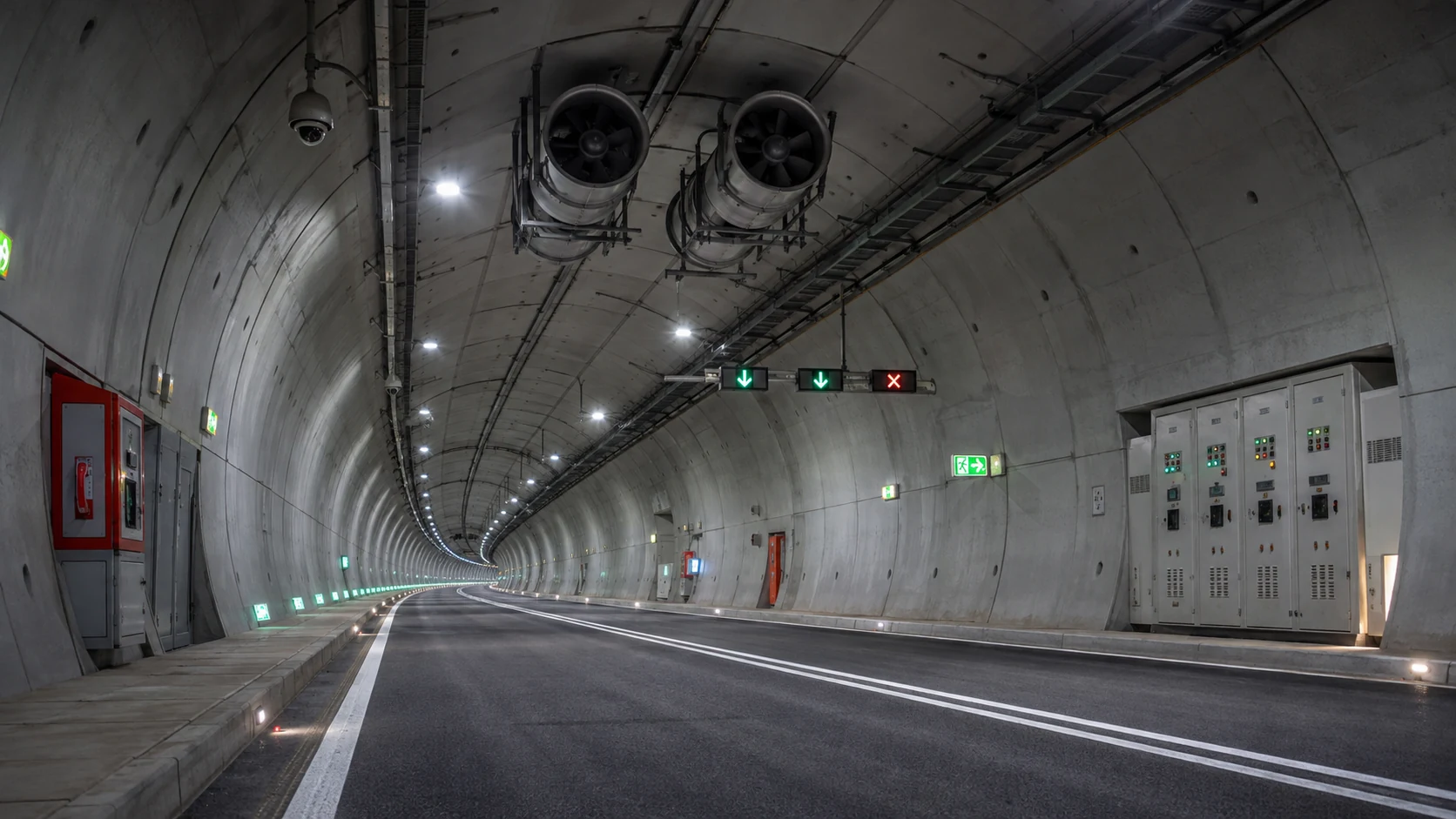
    Modern tunnels combine fire detection, video analytics, access control, ventilation, emergency communications and increasingly distributed fiber sensing. Because incidents develop quickly and escape routes are constrained, tunnel protection depends on coordinated systems rather than isolated devices.

    Why tunnels require a different security model

    Road and rail tunnels create long enclosed spaces with limited visibility, difficult radio propagation and restricted evacuation options. A useful design therefore starts with incident detection, localization and coordinated response rather than simply adding more cameras.

    Core detection layers

    Video surveillance provides situational awareness while thermal cameras can identify overheated equipment or abnormal temperature patterns. Linear heat detection, point detectors, flame detection and air-quality sensors add dedicated life-safety coverage. In long tunnels, DAS can provide continuous acoustic and vibration awareness along many kilometres of fiber.

    Ventilation and evacuation

    Smoke control is often as important as the initial alarm. Variable-message signs, public-address systems, emergency telephones, lighting and cross-passage control must work with ventilation logic so operators can direct people away from the hazard.

    The role of the control room

    A tunnel operations center should correlate alarms, location, video and infrastructure status on one interface. Automation can suggest response actions, but operators still need clear authority and verified procedures.

    Design priorities

    Resilience, redundant communications, maintainability, false-alarm control and realistic drills matter as much as sensor selection. The strongest architecture is layered, testable and designed around credible incident scenarios.

    Conclusion

    Tunnel Safety and Security Technology should be evaluated as part of a broader operational architecture. The strongest deployments combine suitable sensing technology, resilient communications, clear procedures and measurable performance rather than relying on a single device or headline specification.
  • Port and Maritime Security Systems: Technologies and Architecture

    Port and Maritime Security Systems: Technologies and Architecture

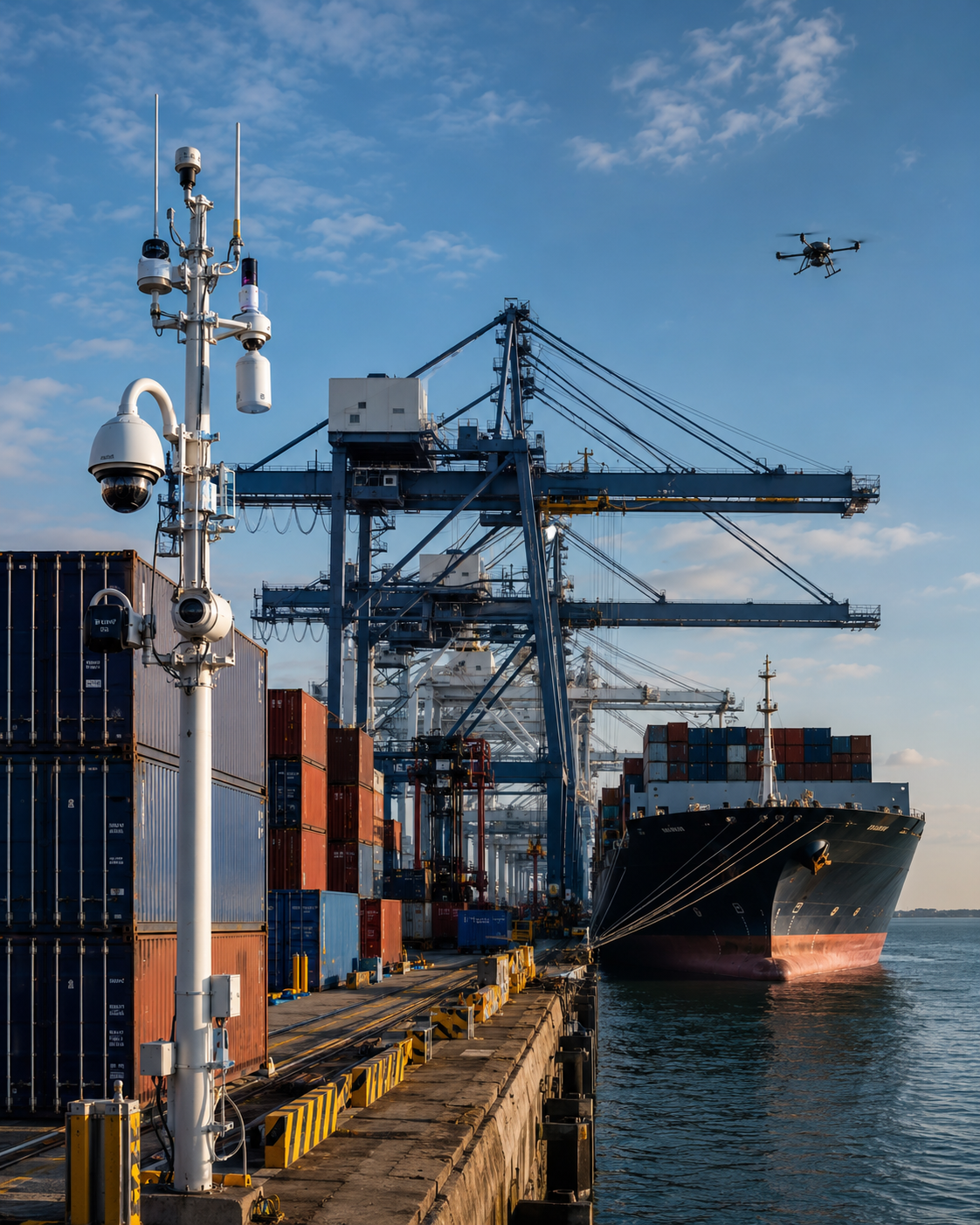
    Ports are complex security environments where ships, cargo, trucks, workers, visitors and critical infrastructure interact continuously. Effective protection therefore requires coordinated monitoring across land, waterside areas and access points.

    Perimeter and Waterside Detection

    Land boundaries may use fencing, fiber-optic intrusion detection, radar, thermal cameras and fixed video surveillance. Waterside protection requires a different sensor mix. Marine radar, thermal imaging, electro-optical cameras and vessel-tracking data can help operators understand activity approaching restricted areas.

    Access and Identity

    Ports contain numerous restricted zones. Staff, contractors, drivers and visitors require different access permissions. Smart credentials, biometric verification, vehicle identification and gate automation can reduce manual processing while improving auditability.

    Cargo and Vehicle Security

    Container yards and logistics gates need clear chain-of-custody controls. License-plate recognition, container identification, video evidence and screening technologies can be integrated with terminal operating systems so security events are linked to operational records.

    Maritime Domain Awareness

    AIS vessel data provides useful context but should not be treated as a complete detection system. Radar, optical sensors and other independent sources are necessary because not every object will transmit reliable identity information. Sensor fusion helps create a more complete picture of the waterside environment.

    Command and Control

    Large ports may operate thousands of cameras and many independent security systems. A unified command center should correlate video, access-control alarms, radar tracks, intrusion events, vessel information and emergency communications. Map-based visualization is especially valuable in large terminals.

    Critical Infrastructure Protection

    Ports also contain fuel systems, power distribution, communications, cranes and industrial control equipment. Cybersecurity and physical security must be coordinated because disruption to connected operational systems can create physical consequences.

    Conclusion

    Modern port security depends on layered detection and strong operational integration. The objective is not simply to watch more cameras, but to combine identity, cargo, perimeter and maritime data into a coherent picture that allows operators to identify unusual activity early and respond efficiently.

  • Railway Security Technologies: Track, Stations and Rolling Stock

    Railway Security Technologies: Track, Stations and Rolling Stock

    Railway networks combine long open corridors, crowded stations, depots, signaling infrastructure and moving assets. Security therefore requires different technologies at different layers of the system.

    Track and Corridor Monitoring

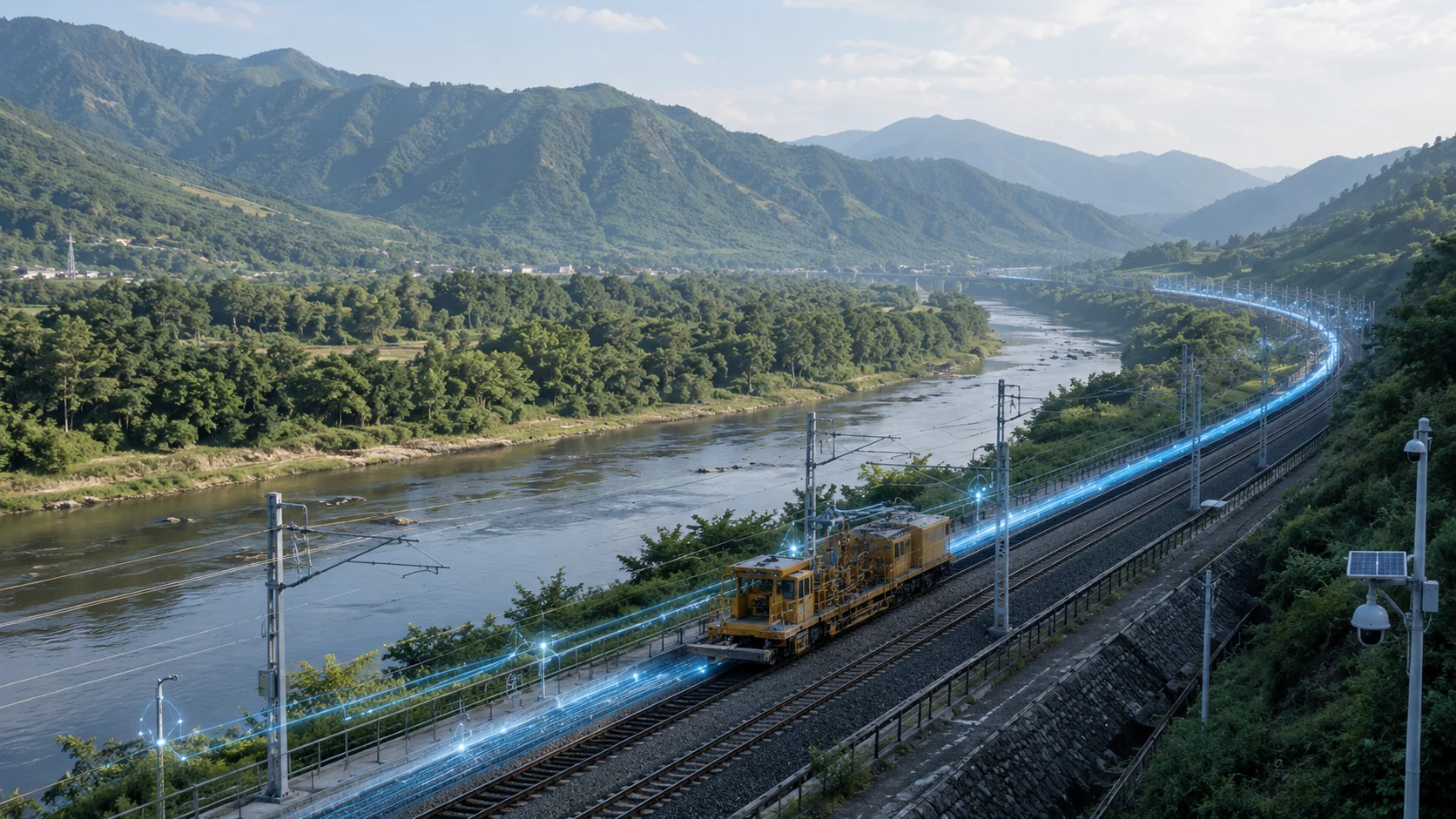
    Long rail corridors are difficult to protect with cameras alone. Distributed Acoustic Sensing can use fiber alongside the track to detect and locate trains, footsteps, excavation activity and other vibration events. Fiber sensing can also support infrastructure monitoring where suitable installation and analytics are available.

    At high-risk sections, radar, thermal cameras and fixed video surveillance provide additional verification. Bridges, tunnels and level crossings often require more intensive monitoring than ordinary open track.

    Station Security

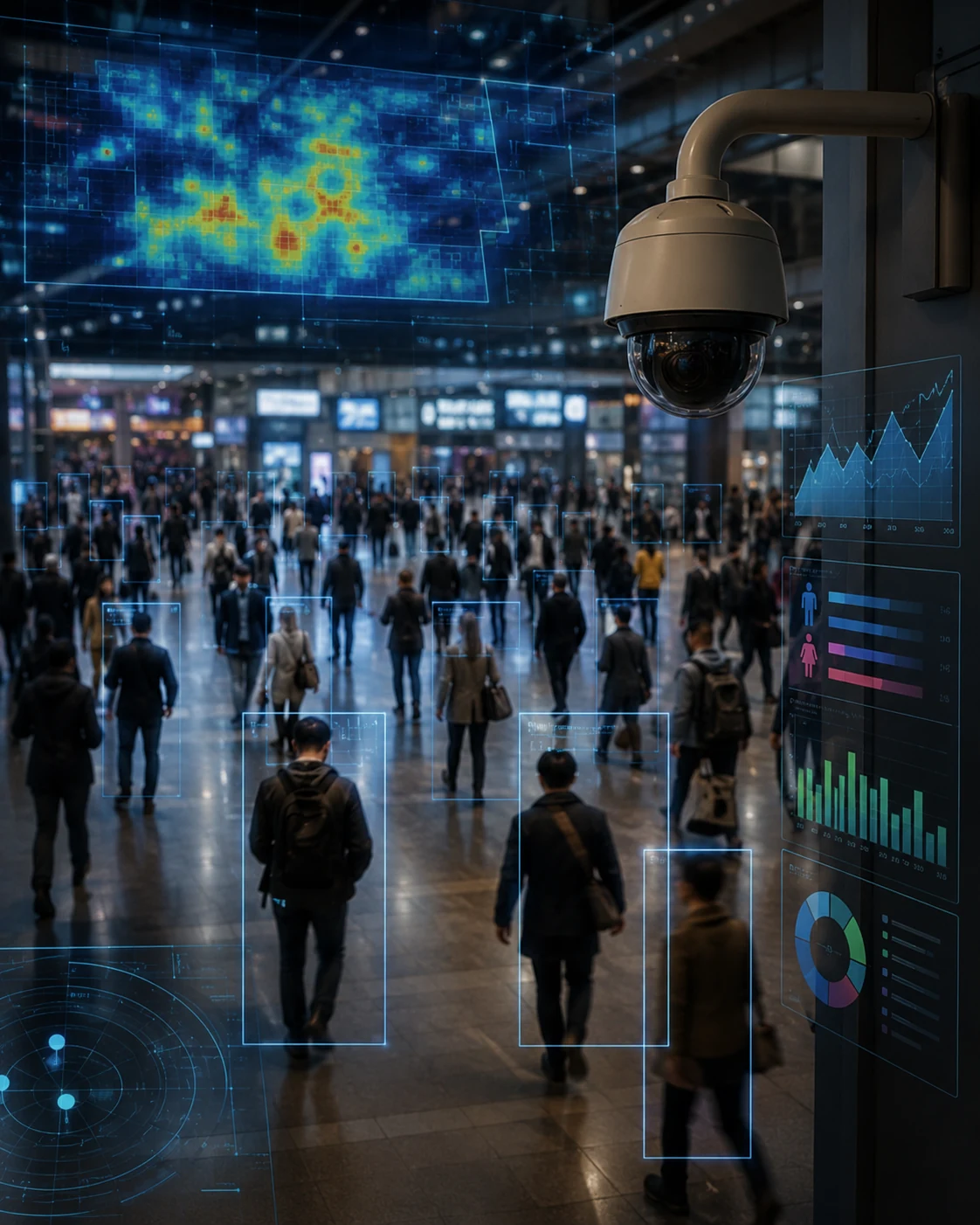
    Stations combine passenger safety, access management and operational security. Video surveillance, crowd analytics, emergency communication, intrusion detection and access control are commonly integrated into a central platform. Analytics can help operators identify congestion or unusual movement, but operational procedures remain essential.

    Depots and Maintenance Facilities

    Depots contain valuable rolling stock, tools and technical systems. Perimeter detection, vehicle access, staff credentials and thermal/video monitoring can create layered protection. Maintenance contractors should be managed with temporary permissions and auditable access records.

    Rolling Stock

    Onboard video, passenger emergency systems and communications extend the security architecture onto trains. Data synchronization and evidence management become important when large fleets generate video across many moving vehicles.

    Cyber-Physical Integration

    Railways increasingly rely on connected operational systems. Security platforms must therefore be designed so physical-security devices do not create new cyber risks. Network segmentation, hardened devices and controlled interfaces between security and operational technology are critical.

    Conclusion

    Railway security is a system-of-systems problem. Track sensing, station surveillance, depot protection and onboard technologies must provide a coherent operational picture. Fiber-optic sensing is particularly valuable because it adds continuous awareness along long linear rail corridors where conventional point sensors are difficult to scale.

  • Pipeline Security Architecture: Sensors, Fiber, Cameras and Control Centers

    Pipeline Security Architecture: Sensors, Fiber, Cameras and Control Centers

    Pipelines cross long distances, remote terrain and multiple jurisdictions. Protecting them requires more than cameras at a few stations. Modern pipeline security combines distributed sensing, process data, imaging and centralized command-and-control.

    The Linear Challenge

    A pipeline can extend hundreds or thousands of kilometers. Conventional point sensors leave large gaps, while continuous patrol is expensive. Distributed Acoustic Sensing can use fiber installed along the route to identify excavation, digging, vehicle movement and other vibration events. In some applications, acoustic signatures may also contribute to leak-related monitoring.

    Process Monitoring

    Security data should be combined with pressure, flow and valve information. A suspicious vibration event near the route becomes more important if process data simultaneously shows an abnormal change. This correlation reduces the time required to understand what is happening.

    Video Verification

    Cameras and thermal imagers are most useful at high-risk locations such as block-valve stations, terminals, crossings and urban interfaces. On long remote routes, mobile cameras, drones or PTZ systems can be tasked after another sensor identifies a specific location.

    Perimeter Protection at Facilities

    Compressor stations, pump stations and terminals require conventional layered security: fencing, access control, radar, thermal imaging, intrusion detection and vehicle management. These fixed sites should feed the same operational picture as the linear pipeline sensors.

    Command and Control

    A central platform should correlate fiber alarms, SCADA events, video, GIS coordinates and maintenance information. Operators need a map-based view showing where an event occurred, what nearby assets are present and which verification resources are available.

    Cyber-Physical Risk

    Pipelines are cyber-physical systems. Security architecture must protect both field assets and the networks connecting sensors, cameras and control systems. Segmentation, authentication and secure remote access are essential.

    Conclusion

    The most effective pipeline-security model is layered and data-driven. Distributed fiber sensing provides continuous awareness along the route, while cameras, process systems and control centers add verification and context. The objective is not more alarms; it is faster, more reliable understanding of events affecting the pipeline.

  • Data Center Physical Security: A Layered Design Guide

    Data Center Physical Security: A Layered Design Guide

    Data centers are among the most security-sensitive facilities in modern infrastructure. They contain high-value equipment, critical data services and dependencies that support banking, telecom, cloud platforms, government systems and enterprise operations. Physical security must therefore be designed as a layered system.

    Layer 1: Site Boundary

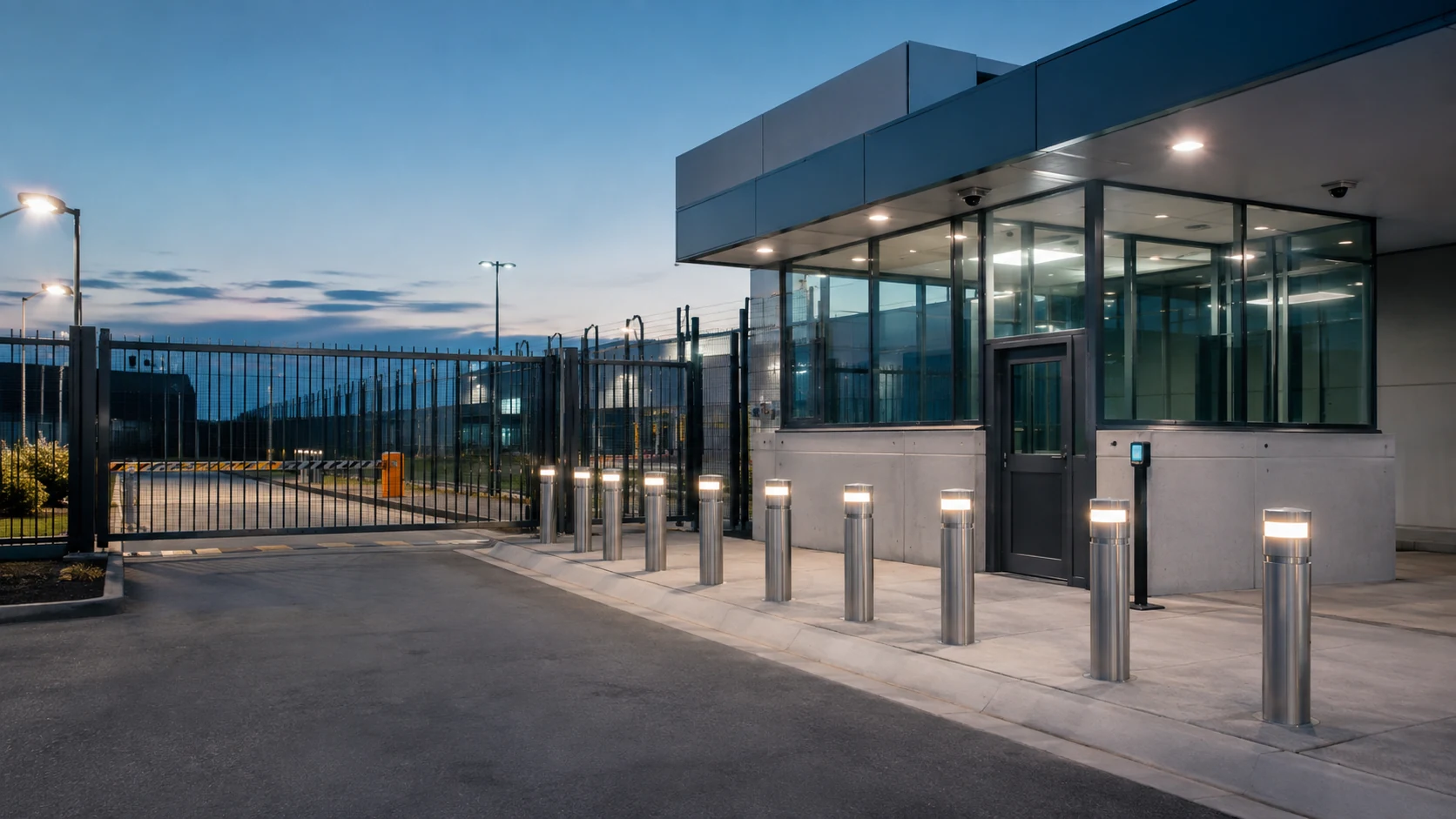
    The outer boundary should discourage casual access and provide early detection. Depending on the site, this may include fencing, vehicle barriers, perimeter cameras, thermal imaging, radar or fiber-optic intrusion detection. The goal is to create enough distance and warning time before a person reaches the building.

    Layer 2: Vehicle and Visitor Control

    Vehicle gates, intercoms, license-plate recognition and visitor-management systems establish accountability before entry. Delivery vehicles and contractors should follow workflows different from permanent staff.

    Layer 3: Building Access

    Access control should use strong credentials, anti-passback logic and role-based permissions. High-security sites may add biometrics, mantraps or multi-factor physical authentication. Credentials should be linked to HR and identity-management processes so access changes when employment status changes.

    Layer 4: White Space and Critical Rooms

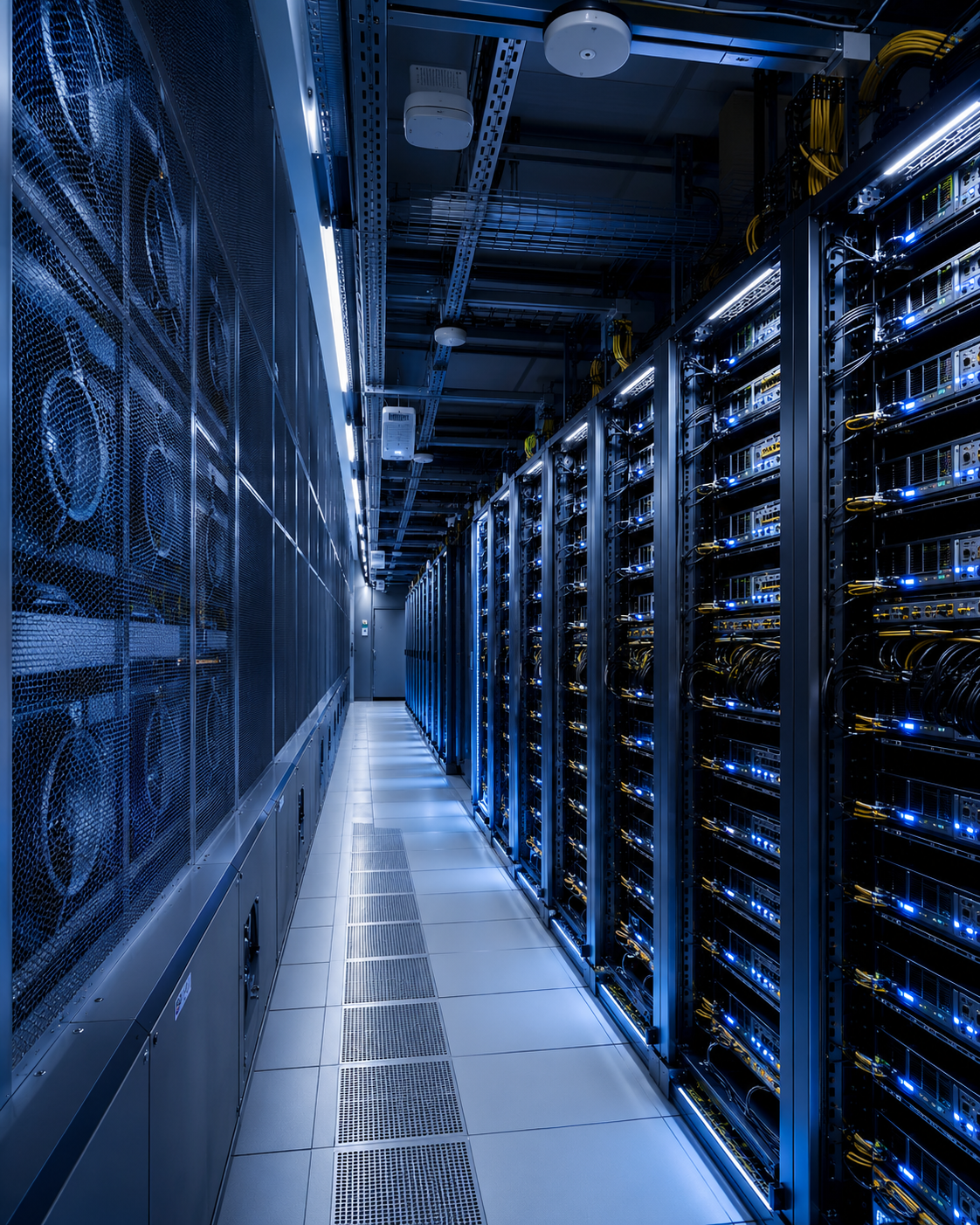
    Server halls, network rooms, power systems and storage areas require additional zoning. Not every employee who can enter the building should be able to enter every technical space. Door events should be correlated with video so investigations can reconstruct who entered, when and under which authorization.

    Video and Analytics

    Cameras support verification, investigation and compliance. Coverage should focus on entrances, corridors, cages, loading areas and critical equipment zones. Analytics can help identify tailgating, unusual movement or occupancy patterns, but should supplement rather than replace access-control logic.

    Environmental and Fire Protection

    Physical security also includes resilience. Aspirating smoke detection, thermal monitoring, leak detection, clean-agent suppression and power-system monitoring protect availability from non-criminal threats.

    Cyber-Physical Security

    Security devices themselves are networked computers. Cameras and controllers need firmware management, segmentation, strong credentials and logging. Compromised physical-security devices can create both cyber and physical risk.

    Conclusion

    The strongest data-center design uses multiple independent layers so failure of one control does not expose the asset. Perimeter security, identity, video, environmental monitoring and cybersecurity should all contribute to a single risk-based architecture.

  • Airport Security Architecture: From Perimeter to Terminal

    Airport Security Architecture: From Perimeter to Terminal

    Airports combine public spaces, restricted operational zones, aircraft movement areas, baggage systems, cargo facilities and critical communications infrastructure. Effective airport security therefore depends on layered architecture rather than a single technology.

    The Outer Perimeter

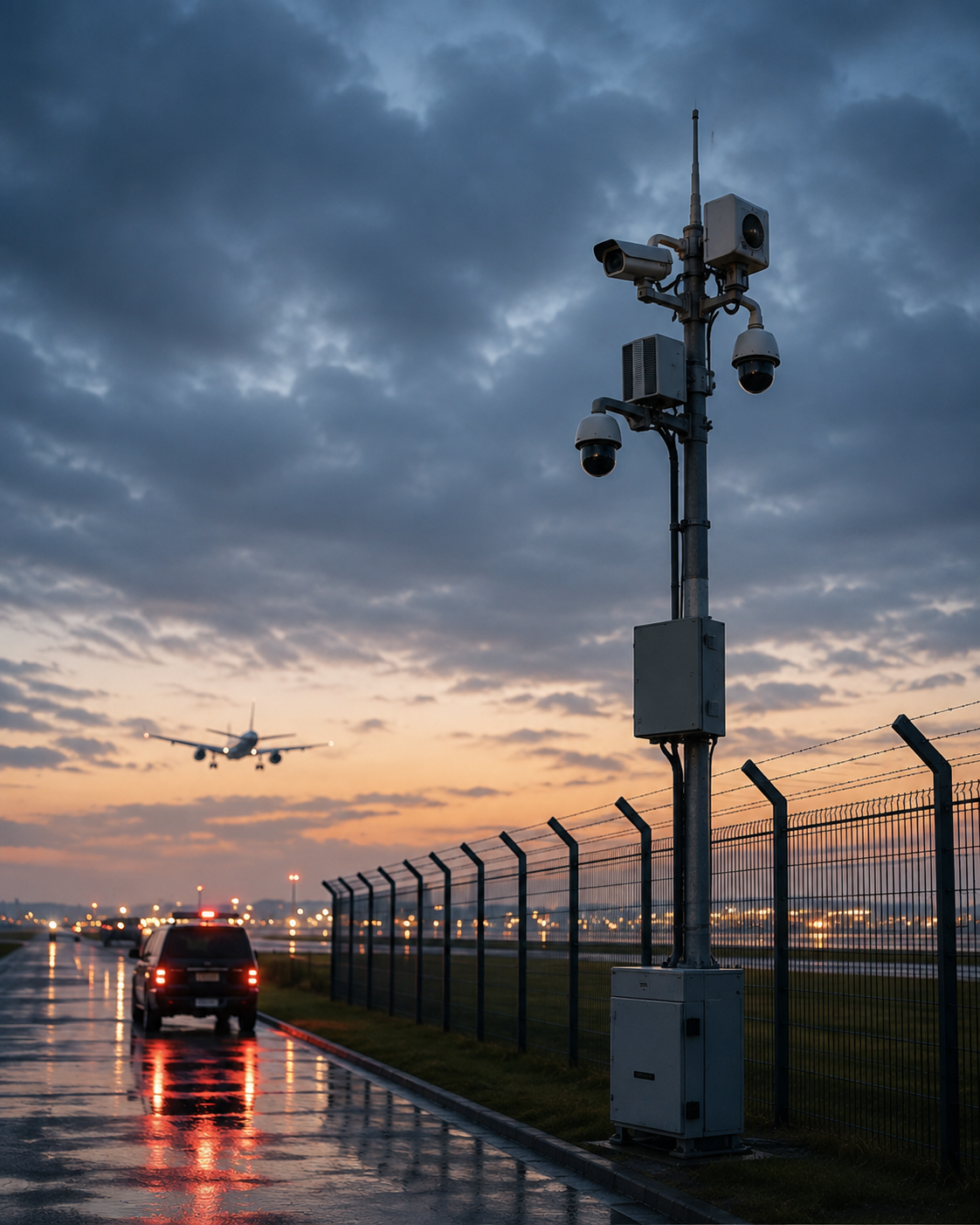
    The first layer protects the airfield boundary. Typical technologies include intelligent fencing, fiber-optic intrusion detection, radar, thermal cameras, fixed video surveillance and controlled vehicle gates. The objective is early detection and rapid verification, not simply creating a physical barrier.

    Airside Access

    Access points between landside and airside areas require strong identity controls. Staff credentials, biometric verification, vehicle authorization and anti-passback rules can reduce unauthorized movement. Temporary contractors and service vehicles deserve particular attention because their access requirements change frequently.

    Terminal Security

    Inside terminals, video surveillance, analytics, access control, screening systems and public-address platforms operate together. The challenge is scale: thousands of cameras and alarms can overwhelm operators unless information is prioritized through a unified command-and-control platform.

    Baggage and Cargo

    Baggage handling and cargo areas have different risk profiles from passenger spaces. Screening equipment, restricted access, chain-of-custody controls and video evidence must be integrated with operational workflows.

    Airspace Awareness

    Small unmanned aircraft have added another security layer. Airports increasingly evaluate radar, RF, optical and acoustic technologies for drone detection. Detection architecture must minimize interference with aviation systems and comply with national regulations.

    Cyber-Physical Integration

    Modern airport security is deeply networked. Cameras, access controllers, screening devices and building systems must therefore be treated as cyber-physical assets. Network segmentation, device hardening, credential management and monitoring are part of physical-security design.

    Conclusion

    A secure airport is not built by purchasing isolated systems. The strongest architecture connects perimeter detection, identity, screening, video, airspace awareness and command-and-control into a layered operational model. The design goal is to detect early, verify quickly and give operators enough context to respond appropriately.

  • The Future of Distributed Fiber Optic Sensing

    The Future of Distributed Fiber Optic Sensing

    Distributed fiber-optic sensing is moving beyond isolated alarm applications. DAS, DTS and distributed strain technologies are increasingly being combined with AI, edge computing, digital twins and operational platforms to create continuous infrastructure intelligence.

    From Single-Purpose Sensors to Multi-Parameter Monitoring

    Early deployments often focused on one problem: intrusion detection, temperature monitoring or leak awareness. The emerging model combines multiple sensing modes with asset data. A power cable can be monitored for temperature, vibration and strain; a pipeline corridor can combine DAS events with pressure, flow and video; a railway can integrate fiber sensing with signaling and maintenance data.

    AI Changes the Value of the Data

    The volume of distributed sensing data is too large for manual interpretation. Machine learning is therefore becoming central to event classification, anomaly detection and long-term trend analysis. Edge processing can make immediate decisions near the interrogator, while central systems compare patterns across sites.

    Existing Fiber Becomes Strategic

    Another major trend is the use of telecom and utility fiber already installed in the ground. If compatible fiber can support both communications and sensing, the economics of large-scale monitoring change dramatically. Cities, utilities and transport operators may gain sensing coverage without building a completely separate physical network.

    Integration Will Define the Winners

    Hardware performance remains important, but future value will increasingly depend on software, APIs, visualization, model management and integration with SCADA, VMS, GIS, digital twins and maintenance systems. Operators do not need more isolated alarms; they need prioritized, contextual information.

    Conclusion

    The long-term future of distributed fiber-optic sensing is not simply better interrogators. It is the transformation of optical fiber into a continuous data layer for critical infrastructure. When sensing, AI and operational systems are combined, fiber can evolve from a passive communications medium into a distributed nervous system for the physical world.

  • DAS and DTS for Telecom Manhole and Network Condition Monitoring

    DAS and DTS for Telecom Manhole and Network Condition Monitoring

    Telecom infrastructure contains thousands of manholes, ducts and underground routes that are difficult to inspect continuously. Distributed Acoustic Sensing and Distributed Temperature Sensing can add a new layer of visibility by using optical fiber itself as a distributed monitoring medium.

    What DAS Can Detect

    DAS measures vibration and dynamic strain along fiber. In a telecom network, this can help identify excavation activity, repeated impacts, vehicle-related vibration, unauthorized access around manholes and other mechanical disturbances. Because the event can be located along the fiber route, operators can focus inspection on the relevant section.

    What DTS Adds

    DTS provides a temperature profile rather than vibration information. Abnormal heating, environmental changes or local thermal anomalies may indicate conditions that deserve investigation. When DAS and DTS are combined, operators gain two independent physical measurements from the same corridor.

    Mapping Is Essential

    The sensing system reports distance along fiber, so accurate route mapping is critical. Splice points, loops, manholes and changes in cable routing must be documented so optical distance can be translated into a real physical location.

    Operational Value

    The goal is not to replace network-management systems. Optical performance monitoring tells operators about communications quality; distributed sensing provides information about the physical environment around the cable. Combining these views can improve maintenance prioritization and infrastructure security.

    Conclusion

    DAS and DTS can turn telecom fiber routes into sources of physical-condition data. For large underground networks, this creates the possibility of moving from periodic inspection toward continuous infrastructure awareness.

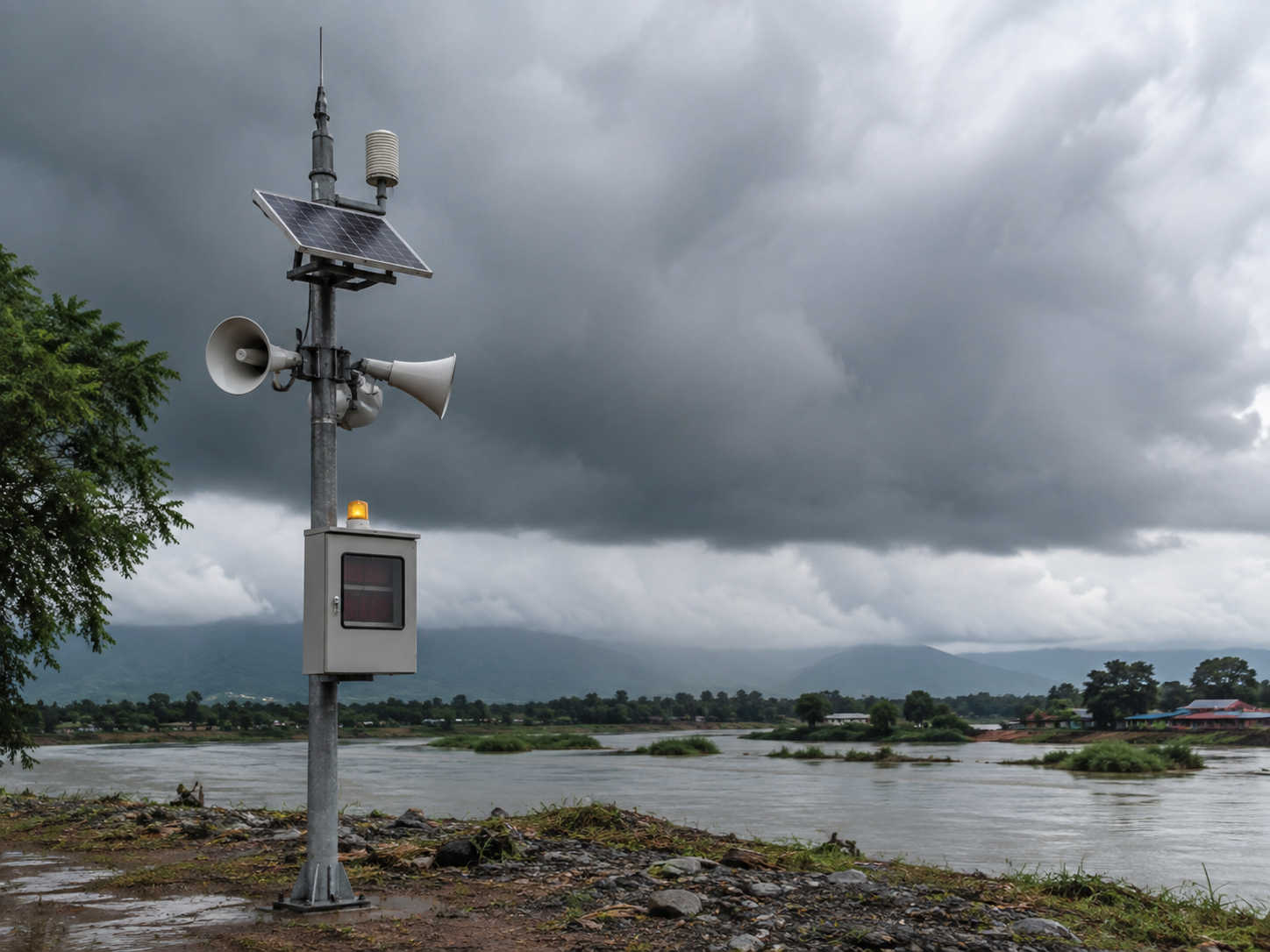
  • DAS for Earthquake and Natural-Hazard Monitoring

    DAS for Earthquake and Natural-Hazard Monitoring

    Distributed Acoustic Sensing is increasingly used beyond security. Because optical fiber can detect tiny strain changes over long distances, DAS can act as a dense array of virtual seismic sensors for earthquakes, landslides and other geophysical events.

    From Fiber Cable to Seismic Array

    Traditional seismic networks use individual instruments installed at selected locations. DAS measures strain changes at many closely spaced points along a fiber route. Existing telecom or infrastructure fiber may therefore provide dense spatial coverage without installing thousands of separate sensors.

    For earthquake monitoring, the system can record seismic waves traveling along and across the fiber route. Researchers can use this information to study wave propagation, local ground response and event location. In some environments, DAS can also support monitoring of landslides, rockfall, volcanic activity and structural response.

    Why Existing Fiber Is Valuable

    Urban and long-distance fiber networks already cross regions where conventional sensor coverage may be limited. Using selected dark fibers or compatible network architectures could expand observational coverage rapidly. The same principle is relevant to tunnels, pipelines, railways and subsea cables located in geologically active regions.

    Limitations

    Fiber was rarely installed with seismic sensing in mind. Cable coupling, route geometry, burial depth and installation method strongly affect sensitivity. DAS measures strain along the direction of the fiber, so orientation matters. Data volumes are also substantial and require efficient processing.

    Security and Resilience Connection

    Natural-hazard sensing matters to critical infrastructure security because earthquakes and ground movement can damage pipelines, power cables, railways and communications routes. Combining DAS hazard detection with asset-monitoring systems can help operators understand both the external event and its possible effect on infrastructure.

    Conclusion

    DAS will not replace every seismometer, but it can add extremely dense spatial information using fiber that may already exist. This makes distributed sensing an important bridge between telecommunications, geophysics and infrastructure resilience.

  • Edge AI in Distributed Fiber Optic Sensing: Faster Decisions at the Sensor

    Edge AI in Distributed Fiber Optic Sensing: Faster Decisions at the Sensor

    Distributed fiber-optic sensing systems can generate very large data streams. Sending every raw waveform to a distant data center is often inefficient, especially when operators need immediate alarms. Edge AI moves part of the analytics close to the interrogator so events can be filtered, classified and prioritized in real time.

    Why Edge Processing Matters

    A long DAS route may contain thousands of virtual sensing channels. Local processing can reduce bandwidth by converting raw data into event metadata such as location, type, confidence and severity. It also improves resilience because basic detection can continue even when a cloud or wide-area connection is unavailable.

    Typical edge functions include noise filtering, feature extraction, event classification, moving-object tracking and alarm correlation. More complex model training and fleet-wide analysis can still be performed centrally.

    The Best Architecture Is Usually Hybrid

    Edge AI should not be treated as a replacement for centralized analytics. Local systems are ideal for low-latency response, while centralized platforms are better for long-term trend analysis, model management and cross-site comparison. A hybrid model allows both.

    Operational Considerations

    Edge devices must be sized for the required channel count and model complexity. Cybersecurity, software updates, model version control and auditability are also important. In critical infrastructure, operators need to know which model generated an alarm and whether its configuration changed.

    Conclusion

    Edge AI makes distributed sensing more operationally practical by reducing data volume and shortening the path from physical event to security decision. As DAS and DTS deployments grow, intelligent processing at the sensing edge will become an increasingly important part of system architecture.