Author: Osiris

  • Water Mist vs Sprinkler Systems: Fire Suppression Compared

    Water Mist vs Sprinkler Systems: Fire Suppression Compared

    Water-based fire suppression is often discussed as if every system works the same way. In practice, conventional sprinklers and high-pressure or low-pressure water mist systems use very different hydraulic strategies, droplet sizes and design assumptions.

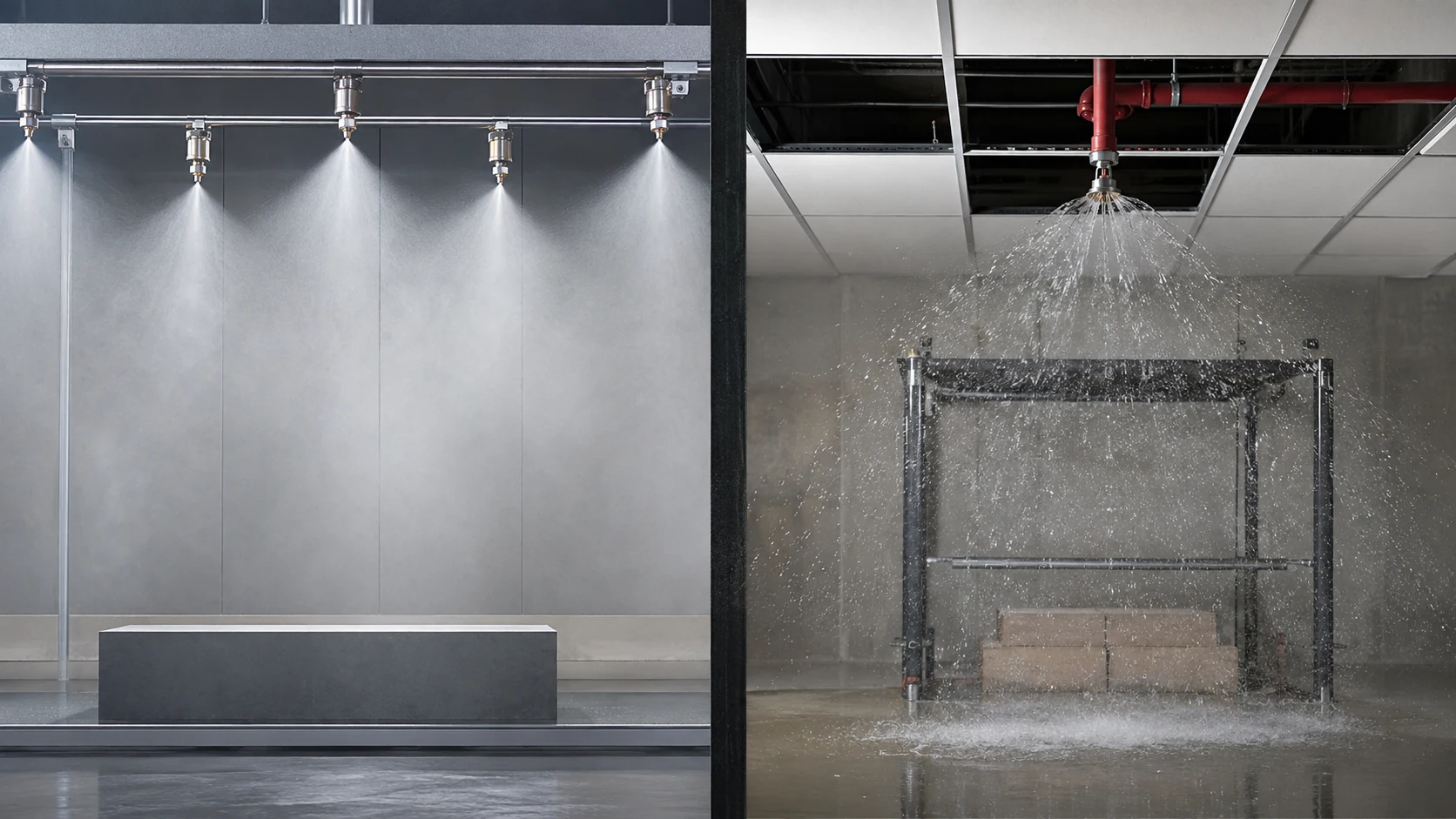
    How sprinklers work Traditional sprinklers control or suppress a fire by applying comparatively larger droplets to a defined area. The system is well understood, widely standardized and suitable for offices, warehouses, industrial buildings and many other occupancies. Reliability, available design data and mature maintenance practices are major strengths.

    How water mist works Water mist systems generate much smaller droplets. The large combined surface area of those droplets can absorb heat rapidly, cool the flame and surrounding gases, and locally reduce oxygen concentration as water turns to steam. Because the system can achieve useful fire control with less water, it is attractive where water damage, drainage capacity, weight or storage volume are concerns.

    Where water mist can be attractive Applications include machinery spaces, turbine enclosures, heritage buildings, marine environments, selected data and electrical areas, tunnels and sites with limited water supply. The technology can also be useful where rapid cooling of a three-dimensional fire is important.

    Where sprinklers remain difficult to beat Sprinklers are generally simpler to specify, easier to source and supported by an enormous installed base. For many ordinary hazards, a properly designed sprinkler system remains the most economical and predictable option.

    Design limitations Water mist performance depends heavily on nozzle geometry, pressure, enclosure characteristics, fire type and tested application. It should not be treated as a universal drop-in replacement for sprinklers. System selection should be based on hazard analysis, applicable standards, full-scale test evidence and authority requirements.

    The practical conclusion The question is not which technology is universally better. The correct question is which suppression mechanism is best matched to the hazard, building geometry, available water, acceptable collateral damage and emergency response strategy. In modern fire engineering, water mist and sprinklers are complementary tools rather than direct substitutes in every project.
  • Gas Detection in Industrial Facilities

    Gas Detection in Industrial Facilities

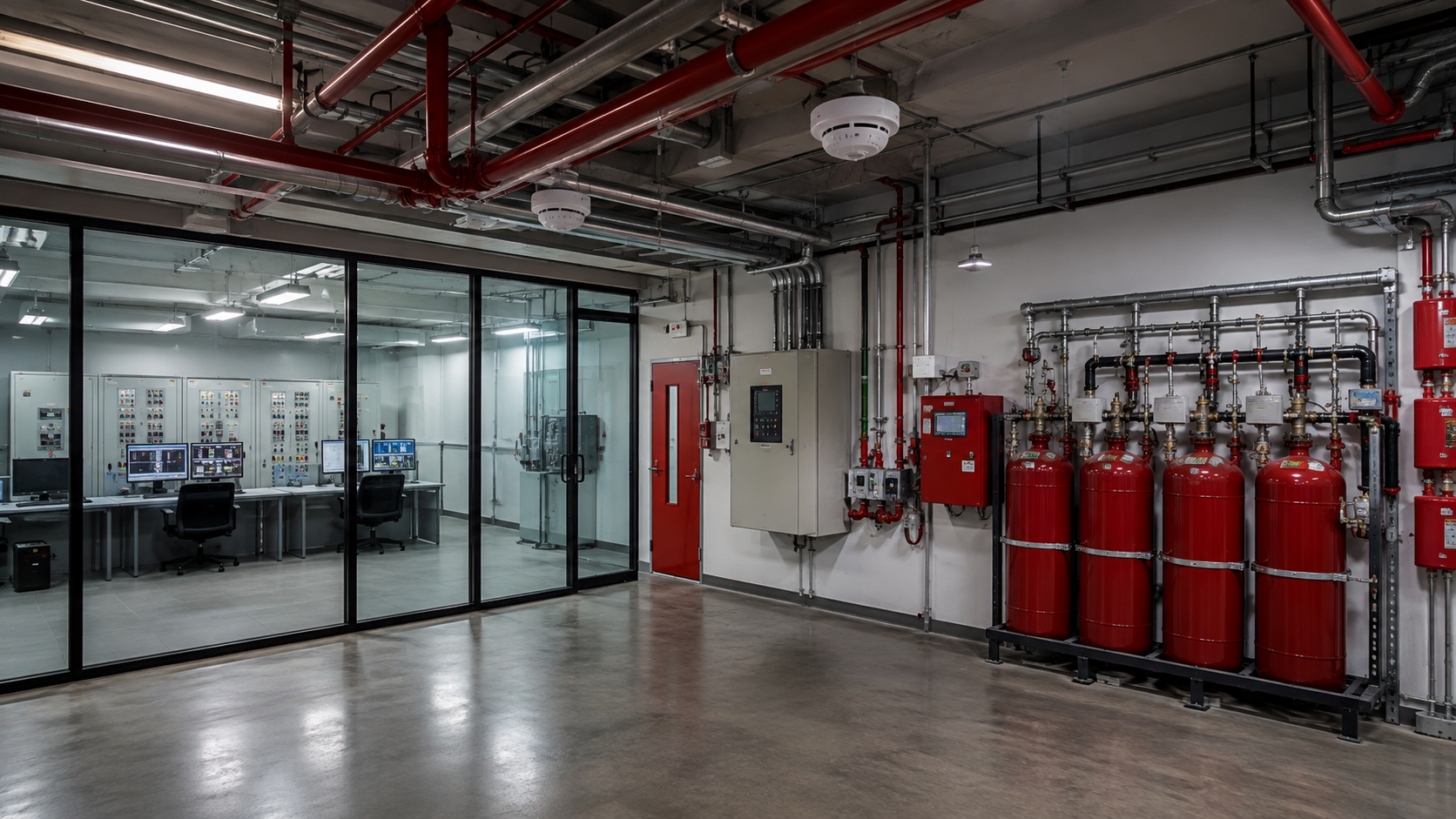
    Industrial gas detection protects people, processes and facilities by identifying hazardous concentrations before they cause poisoning, fire or explosion. The system design depends on the gas, process conditions and the physical behavior of a potential release.

    Combustible gas detectors monitor flammable vapors or gases and are commonly used around fuel systems, process equipment and storage areas. Toxic gas detectors target substances that can harm personnel at relatively low concentrations. Oxygen sensors are used where depletion or enrichment can create danger.

    Several sensing technologies are available, including catalytic bead, infrared, electrochemical and semiconductor methods. Each has different strengths, cross-sensitivities, maintenance requirements and expected service life.

    Placement is one of the hardest engineering decisions. Gas density, ventilation, wind, leak sources and enclosure geometry influence where a cloud may travel. Detectors should therefore be positioned using hazard analysis rather than simple spacing rules.

    Fixed systems can be complemented by portable instruments worn by workers or used during maintenance. Wireless detectors may provide temporary coverage during shutdowns, construction or changing process conditions.

    Gas detection should connect to alarms and, where appropriate, ventilation, shutdown or emergency-isolation systems. Calibration, bump testing and sensor replacement are critical because a detector that is installed but not maintained can create false confidence.

    The strongest gas-detection programs combine correct sensor technology, risk-based placement, disciplined maintenance and clear response procedures. Detection is only valuable when the organization knows what action should follow the alarm.

  • Flame Detection Technologies: UV, IR and Multispectrum

    Flame Detection Technologies: UV, IR and Multispectrum

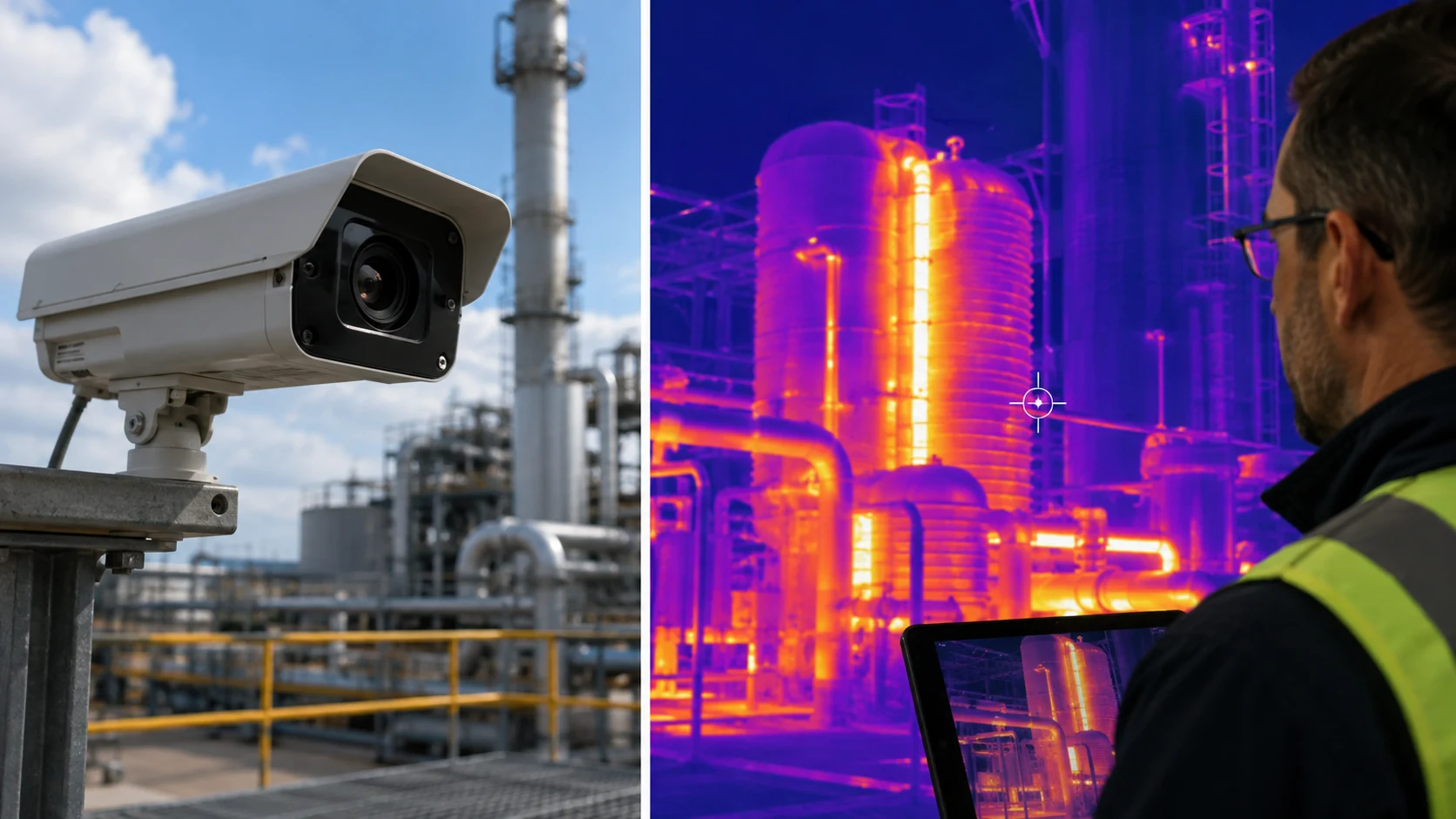
    Flame detectors are designed for hazards where open combustion may develop rapidly and waiting for smoke or heat to travel to a ceiling detector would be too slow. They are widely used in oil and gas, petrochemical plants, fuel storage, turbines, aircraft hangars and other high-risk industrial environments.

    Ultraviolet detectors respond to UV radiation produced by many flames. They can react quickly but may require careful management of other UV sources. Infrared detectors monitor characteristic IR wavelengths associated with combustion and can be effective over longer distances.

    Dual- and multispectrum detectors compare several wavelength bands to improve discrimination. By analyzing the relationship between bands and the flicker characteristics of fire, modern detectors can reject many false-alarm sources while maintaining fast response.

    Coverage is line-of-sight. A flame detector cannot see through equipment, walls or dense smoke, so field of view and mounting geometry are essential design factors. Multiple detectors may be required around complex process equipment.

    Environmental conditions also matter. Sunlight, welding, hot machinery, reflections and weather can influence performance depending on detector type. Selection should be based on the expected fuel and credible fire scenario, not simply maximum advertised range.

    Flame detection is most effective when integrated with process shutdown, alarm and suppression logic. In high-hazard facilities, a few seconds of earlier detection can materially change the outcome of an incident.

  • Video Fire Detection: AI Cameras as Early-Warning Systems

    Video Fire Detection: AI Cameras as Early-Warning Systems

    Video fire detection uses cameras and analytics to identify visual patterns associated with smoke or flame. The technology is especially attractive in large or open spaces where traditional ceiling-mounted detectors may be slow or difficult to install.

    Algorithms analyze movement, texture, color, growth patterns and other features that distinguish smoke or flame from normal scene activity. Modern AI models can improve classification and reduce nuisance alarms caused by fog, steam, reflections or moving objects.

    Typical applications include warehouses, waste facilities, tunnels, industrial yards, aircraft hangars, battery storage areas and outdoor process sites. In these environments, a camera may see developing smoke at a distance before heat or smoke reaches a conventional detector.

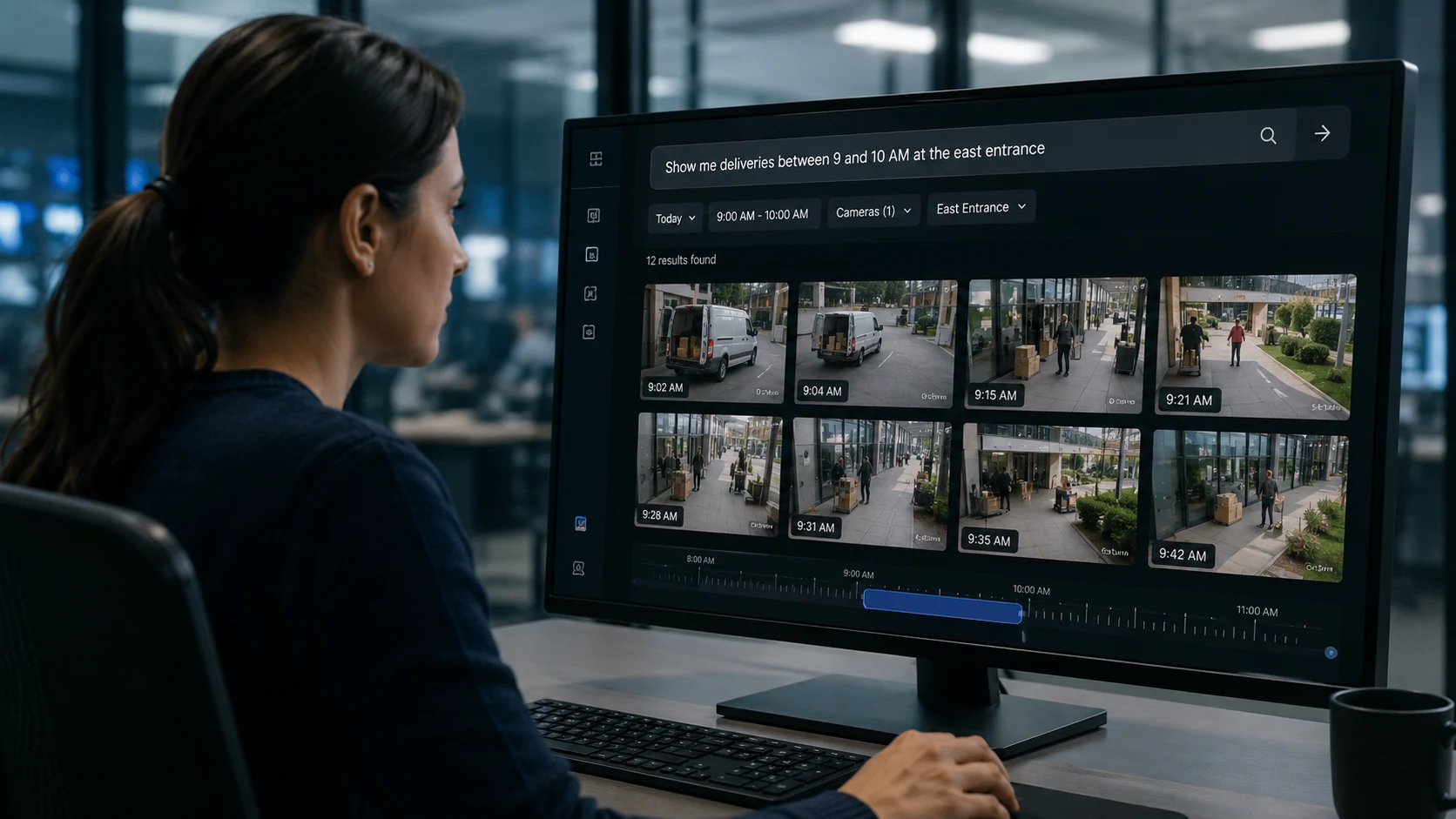
    Video detection also provides immediate context. Operators can verify the scene visually and understand the location and scale of an event. Recorded video can support investigation after the incident.

    The technology still has limitations. Camera placement, lighting, obstructions, weather and lens contamination affect performance. Video analytics should not be assumed to replace code-required detection systems unless the design and approvals explicitly support that use.

    The strongest approach is usually integration. Video fire detection can add early-warning capability to conventional smoke, heat, flame or gas detection, creating a richer and faster picture of developing fire conditions.

  • Aspirating Smoke Detection: How ASD Systems Work

    Aspirating Smoke Detection: How ASD Systems Work

    Aspirating smoke detection, commonly called ASD, is designed to identify very small concentrations of smoke by actively drawing air through a network of sampling pipes. Instead of waiting for smoke to reach a point detector, an aspirating system continuously transports air samples to a highly sensitive detection chamber.

    This architecture allows very early warning. ASD is widely used in data centers, telecommunications facilities, clean rooms, museums, warehouses, high-bay spaces and other environments where early intervention can prevent major damage.

    A typical system includes a detector unit, aspirator fan, pipe network and calibrated sampling holes. The detector monitors the sampled air and can use multiple alarm thresholds. A low-level alert may trigger investigation long before conditions require evacuation or suppression.

    Pipe design is critical. Hole size, pipe length, airflow balance and transport time affect performance. Engineering software is normally used to calculate the network, and commissioning includes airflow and smoke tests.

    ASD is not automatically the right solution everywhere. Installation cost can be higher than conventional point detection, filters and pipes require maintenance, and dusty environments may need special treatment. Poor pipe design can undermine the sensitivity promised by the detector.

    Its greatest advantage is controlled, measurable early detection. When installed correctly, aspirating systems can detect incipient fire signatures before visible smoke becomes obvious, giving operators valuable time to investigate and respond.

  • Fire Detection Systems: Smoke, Heat, Flame and Gas Detection Explained

    Fire Detection Systems: Smoke, Heat, Flame and Gas Detection Explained

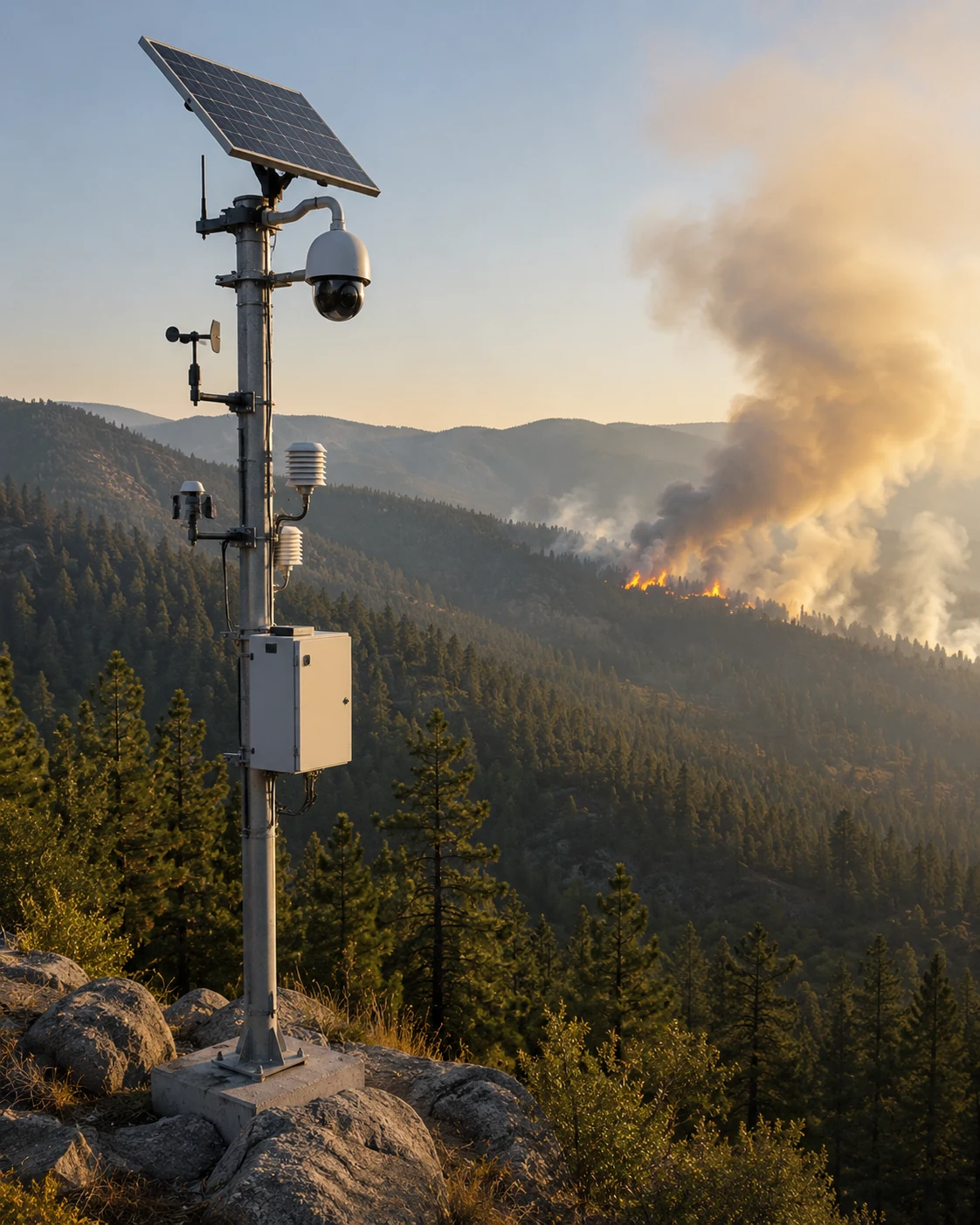
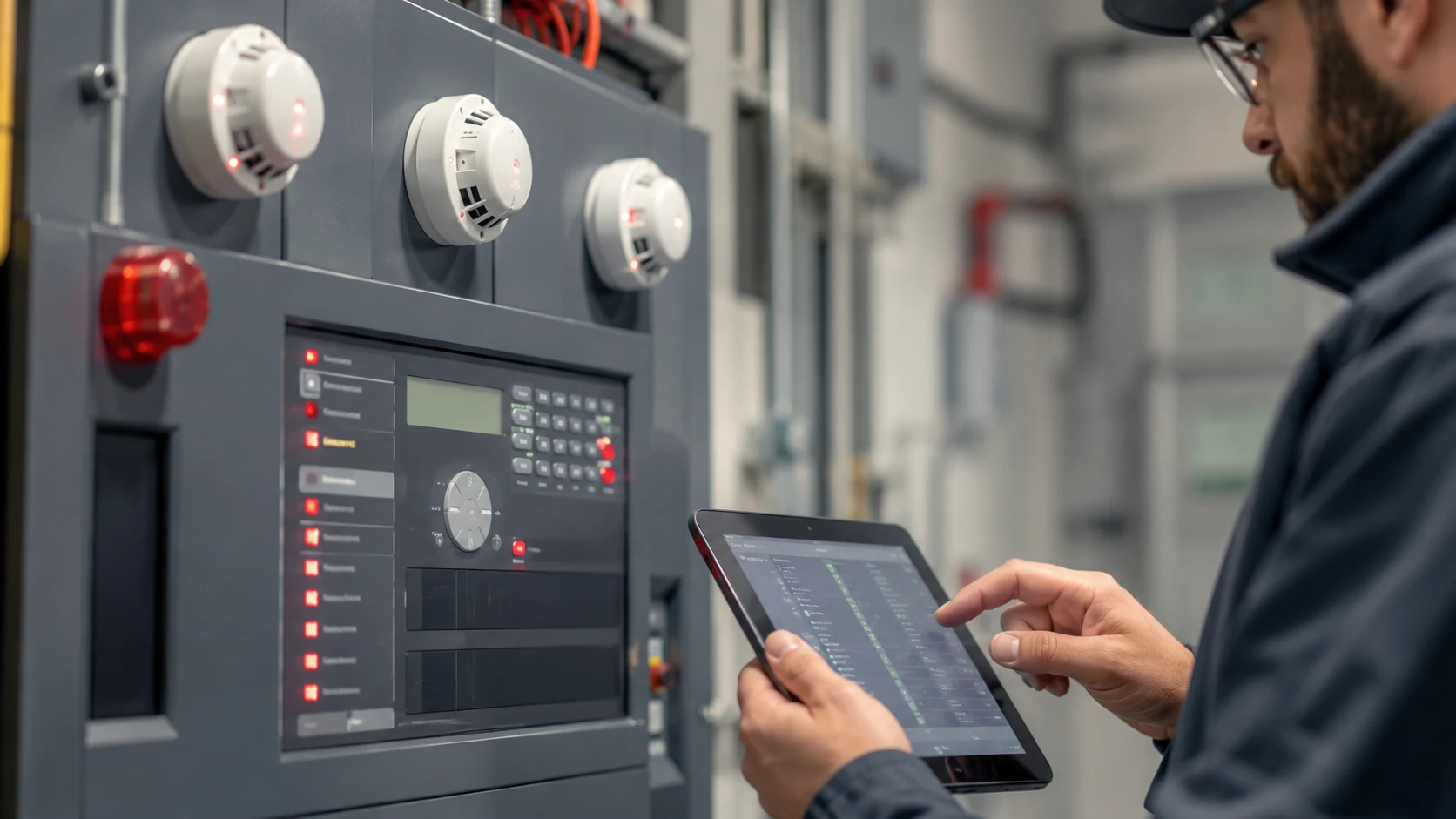
    Fire detection is a layered engineering discipline. No single detector is ideal for every environment because fires develop differently depending on fuel, ventilation, ceiling height, temperature and process conditions. Modern systems therefore use combinations of smoke, heat, flame and gas detection selected around the risk.

    Smoke detectors are common in buildings because many fires produce aerosols before dangerous heat develops. Optical detectors are widely used, while aspirating smoke detection can provide very early warning in data centers, clean rooms and high-value facilities.

    Heat detectors respond to fixed temperature thresholds or rapid temperature rise. They are useful where smoke detection would create nuisance alarms, such as dusty or steamy environments, but generally respond later than sensitive smoke systems.

    Flame detectors identify optical signatures from combustion. Ultraviolet, infrared and multispectrum designs can react rapidly to open flames and are common in refineries, fuel storage, aircraft hangars and process facilities.

    Gas detection addresses combustible, toxic or fire-related gases. In some industrial risks, gas monitoring can identify a dangerous release before ignition occurs. Carbon monoxide sensing may also provide useful fire information in selected applications.

    Detector selection must consider false-alarm sources, coverage geometry, maintenance and the consequences of delayed detection. Integration with alarms, suppression, smoke control, shutdown systems and emergency communications is equally important.

    The best fire-detection design is therefore hazard-based. Engineers should ask what is likely to happen first in a credible fire scenario—smoke, heat, flame or gas—and choose technologies that detect that stage reliably while remaining practical to maintain.

  • The Future of Perimeter Security: Sensor Fusion and AI

    The Future of Perimeter Security: Sensor Fusion and AI

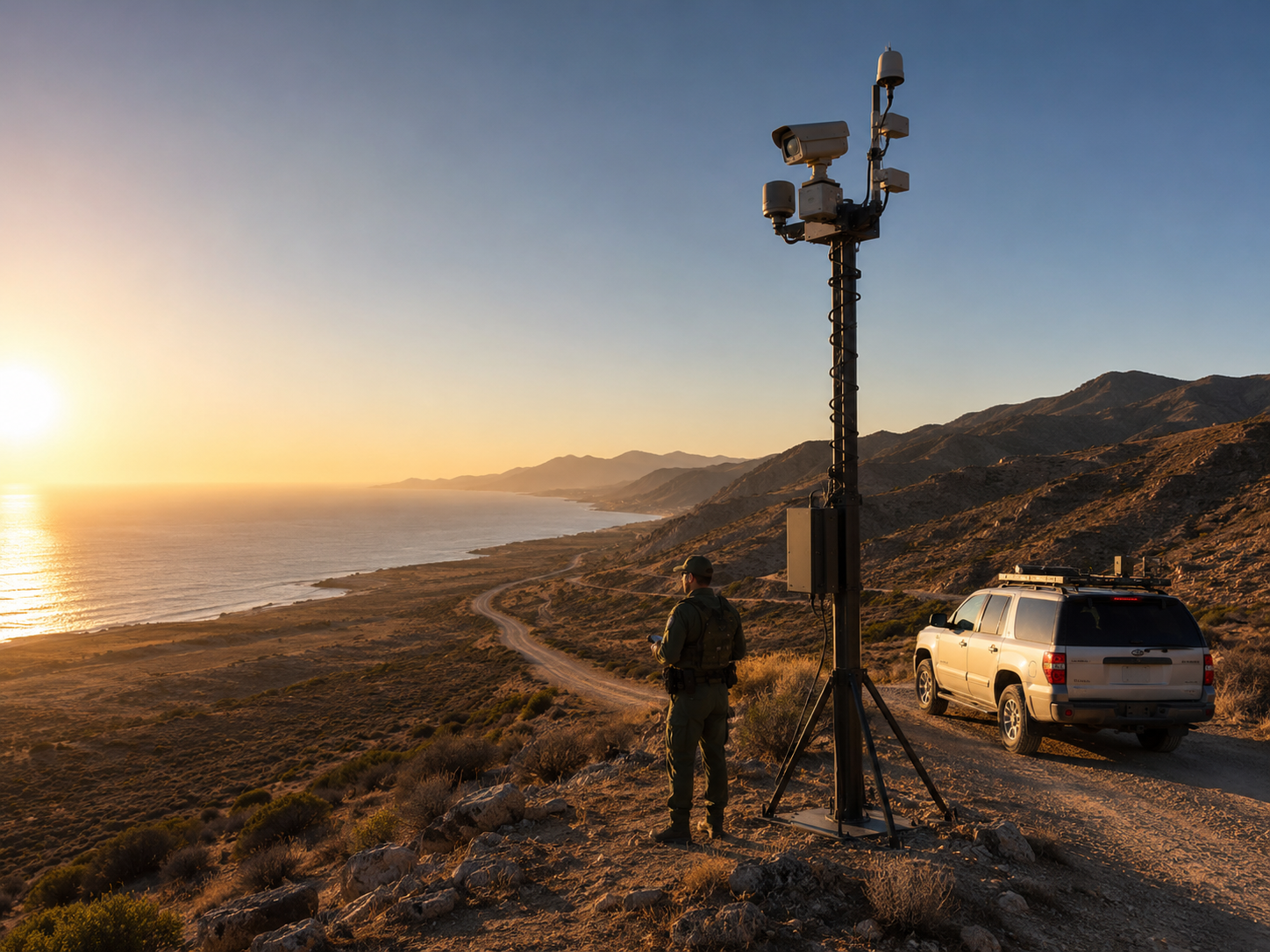
    Perimeter security is moving away from single-sensor thinking. Traditional designs often depended on one primary detection technology, such as fence vibration sensors or video motion detection. Modern systems increasingly combine radar, thermal cameras, visible cameras, fiber-optic sensing, access data and AI analytics to create a richer picture of what is happening around a site.

    Sensor fusion is the key change. A fence vibration may indicate an event, but radar can reveal movement beyond the fence, thermal imaging can detect a person at night and a PTZ camera can provide visual confirmation. When these inputs are correlated automatically, the operator receives a higher-confidence incident instead of several unrelated alarms.

    AI is improving classification rather than simply adding more alarms. Models can distinguish people, vehicles and animals, analyze direction and speed, and prioritize activity that violates site rules. The practical benefit is lower operator workload and fewer nuisance events.

    Fiber-optic sensing is also becoming more important, especially across long pipelines, rail corridors, borders and large industrial perimeters. Distributed sensing can turn kilometers of fiber into continuous detection zones and complement point sensors or cameras.

    Edge computing will further change architecture. More classification can occur near the sensor, reducing bandwidth and enabling faster local decisions. Cloud platforms will remain valuable for fleet management, analytics updates and multi-site visibility.

    The future perimeter will therefore behave less like a collection of independent devices and more like a coordinated detection network. The goal is not maximum sensor count. It is confidence: detect early, classify accurately, verify quickly and present operators with the context required to act.

  • Smart Gates and Vehicle Access Control

    Smart Gates and Vehicle Access Control

    Vehicle entrances are among the most complex points in physical security because they combine identity, traffic flow, safety and perimeter control. A modern smart gate must determine who or what is approaching, whether access is authorized and how to move vehicles through the site without creating congestion or unsafe conditions.

    Common technologies include license-plate recognition, RFID tags, mobile credentials, intercoms, loop detectors, radar, barriers, bollards and video analytics. High-security sites may also add under-vehicle inspection or guard verification.

    The most effective systems link the vehicle to an access policy. A recognized plate alone should not automatically be treated as proof of identity in every environment. The system may also verify a driver credential, delivery schedule, visitor record or vehicle classification.

    Video plays a major role in evidence and exception handling. Cameras can document the vehicle, driver lane and surrounding context, while analytics can detect tailgating, wrong-way movement or a vehicle entering a restricted lane.

    Safety must be engineered alongside security. Barrier arms, gates and bollards require presence detection and safe operating logic to avoid collisions. Emergency egress and fire-service access also need dedicated procedures.

    For multi-site organizations, cloud-connected gate management can centralize credentials and audit logs. At critical infrastructure sites, local operation should remain available if connectivity fails.

    Smart vehicle access is therefore not one product but a coordinated system. The strongest designs combine identification, physical barriers, sensors, video and workflow software into one controlled entry process.

  • Security Robots: Where Autonomous Patrol Actually Makes Sense

    Security Robots: Where Autonomous Patrol Actually Makes Sense

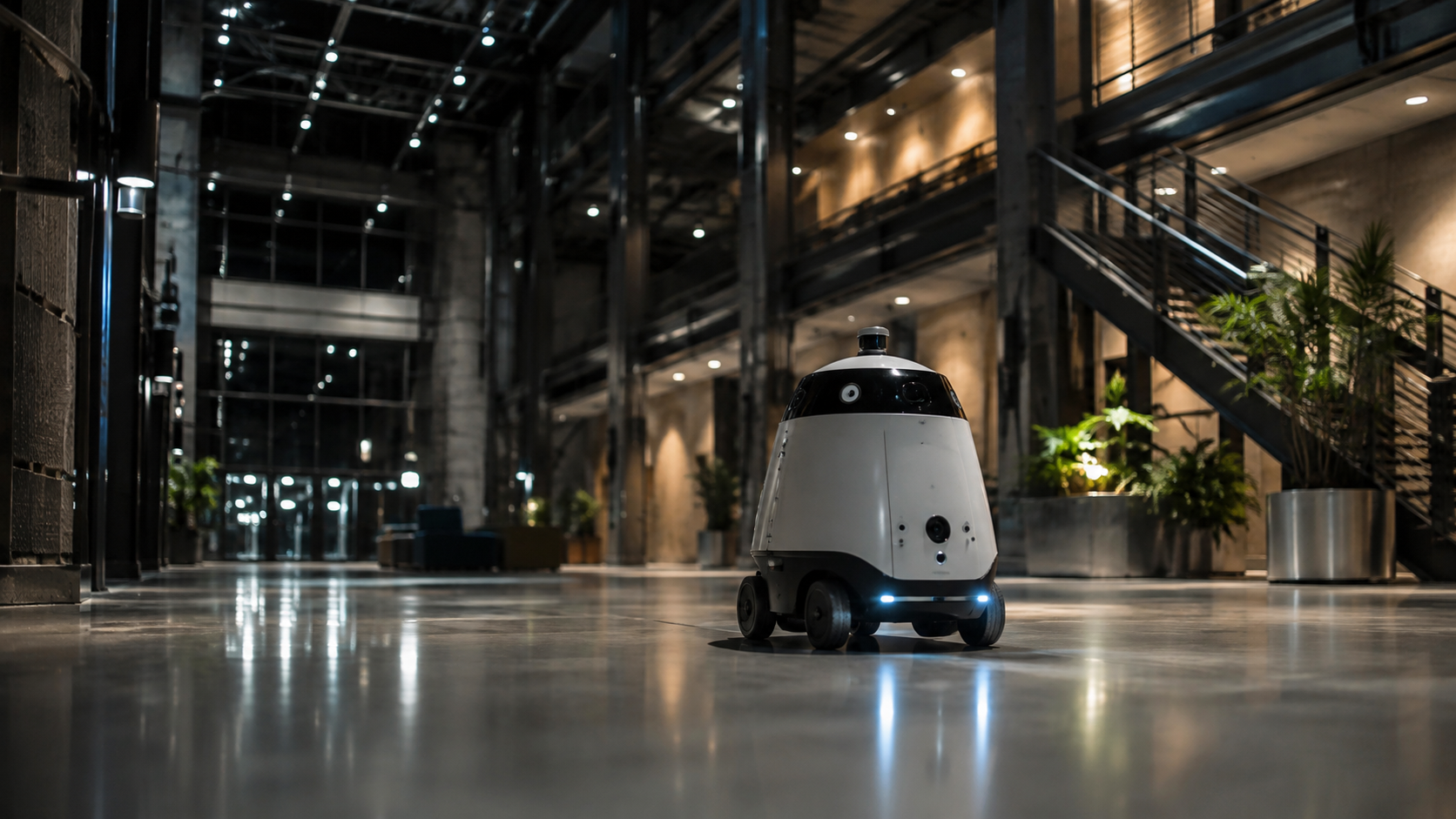
    Autonomous security robots attract attention because they make physical security visible, but their real value depends on operational fit. A robot is not automatically useful simply because it can patrol. The strongest deployments are those in which mobility solves a specific coverage, inspection or staffing problem.

    Robots can carry visible-light cameras, thermal imaging, microphones, environmental sensors, LiDAR and two-way communications. They can follow scheduled patrol routes, stop at checkpoints, record evidence and alert operators when analytics detect an anomaly.

    Large warehouses, data-center campuses, parking facilities, industrial plants and logistics yards are among the environments where robotic patrol can make sense. These sites often have long repetitive routes, predictable surfaces and many assets that benefit from frequent inspection.

    The technology is less convincing in cluttered public environments, complex stairways, heavy pedestrian traffic or areas with constantly changing obstacles. Weather, ramps, curbs, doors and elevators can also limit mobility.

    Robots should not be evaluated primarily by appearance. Buyers should examine uptime, docking reliability, navigation accuracy, battery endurance, sensor quality, cyber security, remote takeover, API integration and how frequently a human must intervene.

    The best architecture connects robotic patrol with existing security systems. A robot can be dispatched to a door alarm, thermal anomaly or perimeter event, then stream video into the command center. This turns the robot into a mobile verification platform rather than a standalone novelty.

    Autonomous robots are unlikely to replace security personnel broadly. They can, however, take over repetitive observation tasks, extend sensor coverage and give operators a mobile viewpoint when deployed in environments that match their capabilities.

  • Autonomous Drones for Perimeter Patrol

    Autonomous Drones for Perimeter Patrol

    Autonomous drones are moving from experimental security projects toward practical perimeter-monitoring tools. Instead of being manually flown for every mission, an autonomous system can launch from a docking station, follow a predefined route, inspect points of interest and return for charging with limited operator involvement.

    The value is not that drones replace fixed cameras or guards. Their value is mobility. A drone can investigate an alarm, inspect a remote fence section, view the far side of a building or patrol terrain that would require many fixed camera positions.

    Modern systems combine navigation, obstacle avoidance, geofencing, video analytics and fleet-management software. Thermal payloads can improve night operations, while high-resolution visible cameras provide identification and documentation.

    Autonomy introduces new design requirements. The drone must operate safely around structures, power lines, people and changing weather. Communications loss, GPS degradation, emergency landing and cyber security must all be addressed. Docking stations also become critical infrastructure because they provide charging, data transfer and environmental protection.

    Security workflows are most effective when drone missions are triggered by other sensors. A fence alarm, radar track or fiber-optic detection event can automatically create a task for a drone to inspect the location. The resulting video can then be displayed in the same command platform used for fixed cameras.

    Regulation remains a major factor. Beyond-visual-line-of-sight operations, autonomous missions and flights near populated or restricted areas may require specific approvals. Organizations should treat aviation compliance as part of system design from the beginning.

    Autonomous drones are best understood as mobile sensors within a layered perimeter system. Their strongest role is verification, inspection and rapid situational awareness across large or difficult sites.