Author: Osiris

  • Power Resilience and Battery Autonomy for Electronic Security Systems

    Power Resilience and Battery Autonomy for Electronic Security Systems

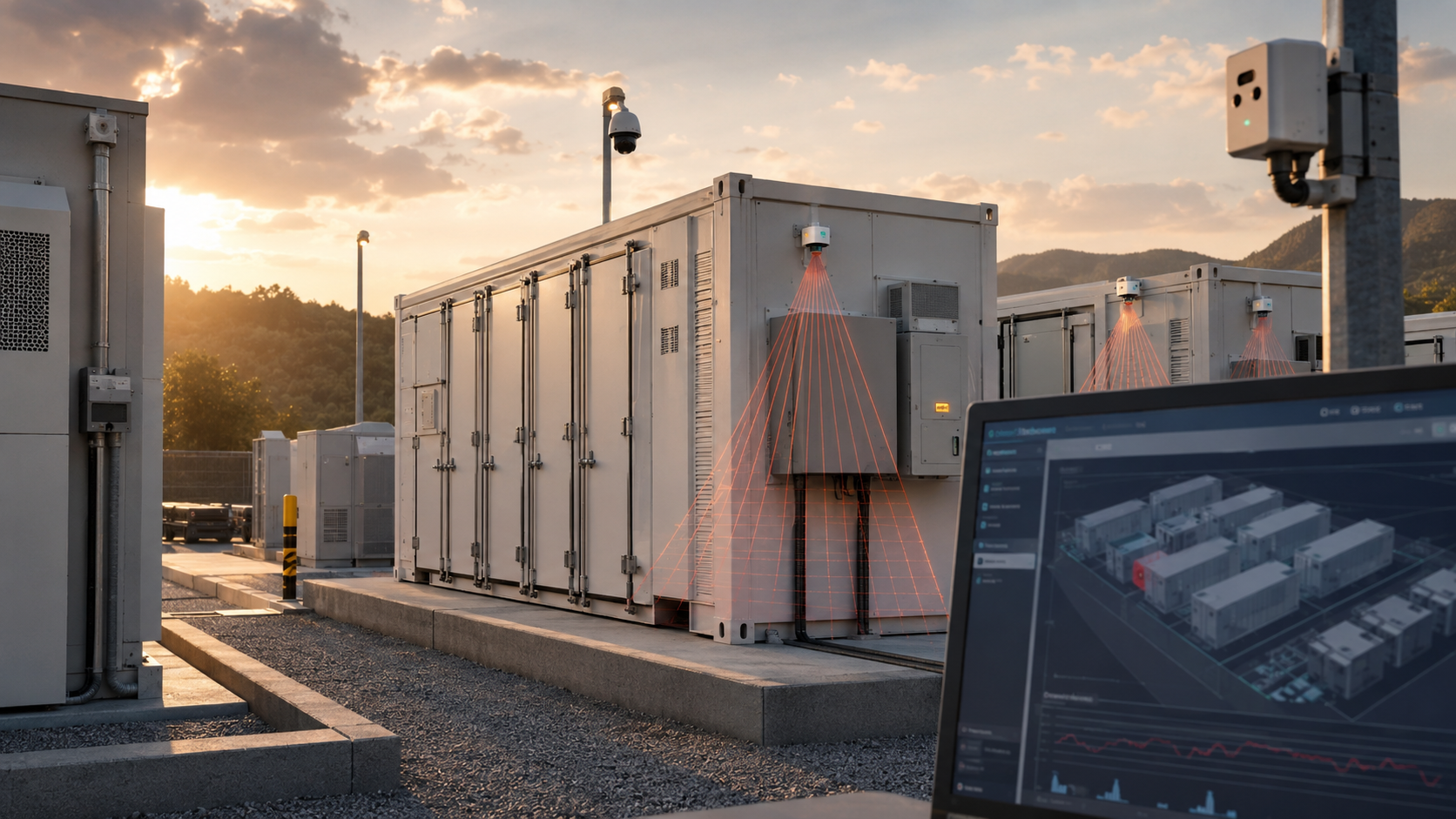
    Electronic security systems depend on power at cameras, controllers, locks, servers, network switches, communications links and operator workstations. A central uninterruptible power supply may keep the server running while field devices fail. Power resilience therefore begins with the complete operational path, not a single battery specification.

    Define the required security state

    The design team should decide what must remain operational during an outage and for how long. The answer may differ by function. Perimeter detection might need continuous coverage, while selected cameras can move to a reduced frame rate. Access-controlled doors may need to follow life-safety release rules while controllers and event logging remain powered.

    Document the protected loads, acceptable degradation and recovery priorities. Include supporting equipment such as PoE switches, wireless bridges, time servers and monitoring gateways. A device that has power but no network path may still be operationally unavailable.

    Calculate with measured loads and aging

    Battery autonomy should be based on realistic load measurements, conversion losses, temperature and expected aging. Nameplate maximums can overstate normal demand, while a snapshot taken during quiet operation can miss heaters, illuminators, charging or peak lock activity. Use a conservative design method and record the assumptions.

    Battery chemistry, enclosure ventilation and maintenance requirements affect the installation. Capacity normally declines over time, so a system that barely passes at handover may fail before the next planned replacement. Distributed field supplies also need identification and service access.

    Coordinate UPS, generator and network recovery

    Where a generator is available, the battery must bridge startup and transfer without dropping critical loads. Test actual transfer behavior, not only the calculated interval. Some devices reboot after a short disturbance even when average voltage appears acceptable. Network equipment and servers may recover in the wrong sequence, leaving cameras or controllers disconnected.

    A recovery plan should define how services restart, how configuration is preserved and which alarms indicate degraded power. Remote monitoring of battery and supply health is useful only when thresholds are maintained and someone owns the response.

    Test failure modes safely

    Acceptance testing should simulate loss of normal power under controlled conditions. Verify runtime, alarms, transfer, reduced-operation modes and restoration. Inspect event timestamps and confirm that evidence is not lost or corrupted. If the full outage cannot be tested, document the limitation and use component tests with a clear engineering justification.

    Trend results over successive tests rather than recording only pass or fail. A shortening runtime can reveal battery deterioration, increased load or poor environmental conditions before the system falls below its required autonomy.

    Repeat testing after battery replacement, load expansion or major network change. Power resilience is part of industrial safety and monitoring, not a one-time electrical calculation. A reliable design makes the degraded state visible and ensures that restoration does not create a second outage.

    Reference sources

  • Perimeter Radar Commissioning: Clutter Maps, Zones and Target Validation

    Perimeter Radar Commissioning: Clutter Maps, Zones and Target Validation

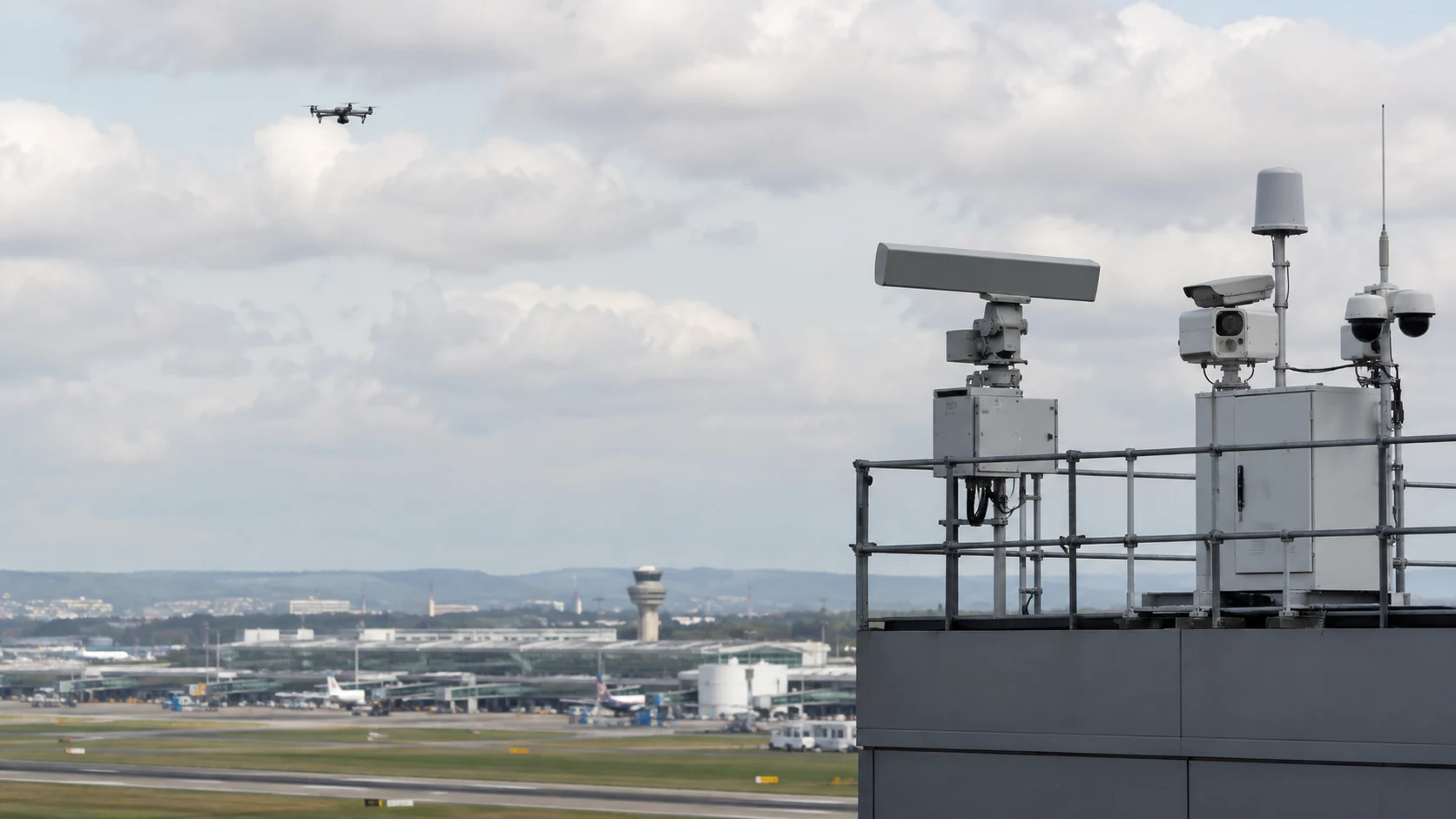
    Perimeter radar commissioning is the process of turning a correctly installed sensor into a verified detection capability. The work includes mapping the real environment, defining alarm zones, testing representative targets and proving the handoff to cameras and operators. Default settings cannot account for every fence, slope, road or moving object around a site.

    Build a site-specific clutter picture

    Radar returns may come from vegetation, water, vehicles outside the boundary, rotating equipment, animals and other environmental movement. The commissioning team should observe the site over representative periods rather than tune the system during one quiet hour. Weather and seasonal conditions can change the background significantly.

    Clutter suppression must be used carefully. A filter that removes nuisance tracks can also reduce sensitivity to a real intruder moving near the same object. Record why an exclusion or threshold was introduced and retest the affected route with a representative target.

    Define zones around decisions

    Detection zones should correspond with security actions. An outer awareness zone may cue a camera, while a protected inner zone may create a high-priority alarm. Boundaries need enough separation to avoid rapid state changes when a target moves near an edge. Roads and public paths should be handled explicitly rather than left to repeated operator dismissal.

    Height, direction, speed and track-duration rules can improve classification, but each additional rule creates another way to miss unusual behavior. The design should remain understandable to operators and maintainers.

    Use representative target tests

    Testing should cover walking, running, crawling where relevant, groups, vehicles and movement across and toward the radar. Routes should include fence lines, terrain depressions and the edges of coverage. Record the path, target, time, weather, result and track continuity. Maximum-range claims are less useful than repeatable performance in the site’s critical zones.

    For counter-UAS applications, use authorized and safely managed targets appropriate to the requirement. Small aerial targets present different signatures and legal constraints from ground intrusion.

    Verify integration and operator workload

    An alarm should reach the command platform with the correct zone, priority and timestamp. If radar cues a PTZ camera, verify that the view is useful and that calibration remains accurate at multiple points. Operators should be able to distinguish a new alarm from an existing track and understand why the system classified it.

    Measure operator workload during a realistic observation period. A technically valid detection rate can still be operationally poor if recurring nuisance tracks overwhelm the team or if camera cueing repeatedly points to unusable views.

    Commissioning closes with an agreed acceptance record, baseline configuration and maintenance plan. Changes to vegetation, construction or neighboring traffic should trigger review. Radar becomes dependable perimeter security only when site-specific validation links detection to a clear response.

    Shift changes should be included because procedures and experience vary among operators.

    Reference sources

  • Fire Alarm Cause-and-Effect Matrix Testing Explained

    Fire Alarm Cause-and-Effect Matrix Testing Explained

    A fire alarm cause-and-effect matrix defines what the building should do when a specific input or combination of inputs occurs. A smoke detector may initiate evacuation signals, release doors, recall elevators, stop air-handling equipment and notify a monitoring center. Testing the detector alone does not prove that this sequence works.

    What the matrix should contain

    The matrix normally lists initiating events on one axis and required outputs on the other. Inputs may include automatic detectors, manual call points, sprinkler flow, supervisory signals and faults. Outputs can include notification zones, smoke-control commands, fire-door release, elevator interfaces, suppression release logic and messages to external monitoring.

    The document must reflect the approved fire strategy and applicable code requirements. It should identify delays, coincidence logic, dependencies and exceptions. Generic text such as “all systems operate” is not testable. Each expected action needs an observable result and a responsible discipline.

    Prepare an integrated test

    Before testing, confirm that the matrix version matches the installed programming and current building layout. Coordinate fire alarm, mechanical, elevator, door, suppression and monitoring contractors. Notify occupants and authorities as required, establish impairment controls and prevent an unintended emergency response.

    Tests should be planned so that inputs and outputs are observed at their real interfaces. A software indication at the fire panel is not proof that a damper moved or a door released. Where testing a physical action is unsafe or impractical, the alternative method and limitation should be documented.

    Test sequences, failures and recovery

    Verify single inputs, combined inputs and reset behavior. Confirm that priorities are correct when fire and security commands conflict. Door access control, for example, must not prevent the required life-safety release. Check how the system behaves during communication loss, disabled points and power transfer.

    Recovery matters as much as activation. After reset, equipment should return to the intended state without leaving doors, fans or interfaces in an unsafe condition. Operators need a clear indication when a field device requires manual restoration.

    Include negative tests where they can be performed safely. A supervisory input should not start an evacuation sequence unless the approved design calls for it, and an isolated output should generate a visible impairment rather than failing silently.

    Evidence and change control

    Record the test input, expected output, observed result, time, witness and defect. Screenshots can support the record but should not replace signed field observations. Defects must be corrected and the affected sequence retested; broad statements that a problem was “resolved” are insufficient.

    Any later change to fire logic, access control, elevators or smoke control should trigger matrix review. This discipline connects fire detection and automatic protection with the systems it commands. A tested matrix provides evidence that the building responds as a coordinated life-safety system rather than a collection of individually functional components.

    Reference sources

  • Anti-Passback and Occupancy Accounting in Access Control Systems

    Anti-Passback and Occupancy Accounting in Access Control Systems

    Anti-passback is an access-control rule that compares a credential’s expected location with the direction of the next transaction. If the system records that a badge entered a controlled area, a second entry may be rejected until a corresponding exit is recorded. The same state data can support occupancy estimates, but only when the physical and operational design is consistent.

    Hard, soft and timed enforcement

    Hard anti-passback denies a transaction that violates the expected sequence. Soft anti-passback allows access but generates an event for review. Timed anti-passback blocks repeated use for a defined period without requiring a complete entry-and-exit model. Each approach addresses a different risk and produces a different operational burden.

    Hard enforcement can reduce credential sharing, yet it can also lock out legitimate users when the recorded state is wrong. Soft enforcement is less disruptive but depends on monitoring and investigation. Timed rules are useful against rapid badge handoff but do not establish where a person is located.

    Why occupancy counts drift

    An access system counts credential events, not people. Tailgating, propped doors, emergency exits, mechanical-key use and readers that cover only one direction all create gaps. A person may also enter through a turnstile and leave during an evacuation when normal exit reading is bypassed. Contractors and visitors may follow different workflows from employees.

    For these reasons, occupancy should be labeled as an operational estimate unless every route is controlled and exceptions are reconciled. It should not automatically be presented as an emergency roll-call list. Life-safety procedures need independent accountability methods and a clear understanding of who may be missing from the access data.

    Design the state model before enabling the rule

    Define areas, transitions and reset conditions before configuration. The system needs to know which reader represents entry, which represents exit and what happens when a controller or network link is unavailable. Multi-building campuses may require nested areas, while elevators and shared lobbies can complicate direction.

    Reader-to-controller communication should be supervised and protected. Standards such as OSDP can improve channel supervision and interoperability, but the complete design also includes locks, door position, request-to-exit devices and operator procedures.

    Testing and exception handling

    Acceptance testing should cover normal passage, denied re-entry, missed exit, emergency release, controller restart, duplicate credentials and operator reset. Every override should be logged with a reason and an accountable user. Reports should distinguish a true policy violation from a state-reconciliation action.

    Operators also need a defined daily reconciliation process. Repeated corrections at the same door may indicate a reader-direction error, unreliable door hardware or a business process that the configured area model does not represent.

    Successful anti-passback is a coordinated process rather than a checkbox. It works best when the organization combines physical lane control, credential governance and realistic procedures within its broader access-control and identity program. Occupancy data can then support operations without being mistaken for certainty.

    Reference sources

  • Camera Field-of-View Verification and Blind-Spot Audits

    Camera Field-of-View Verification and Blind-Spot Audits

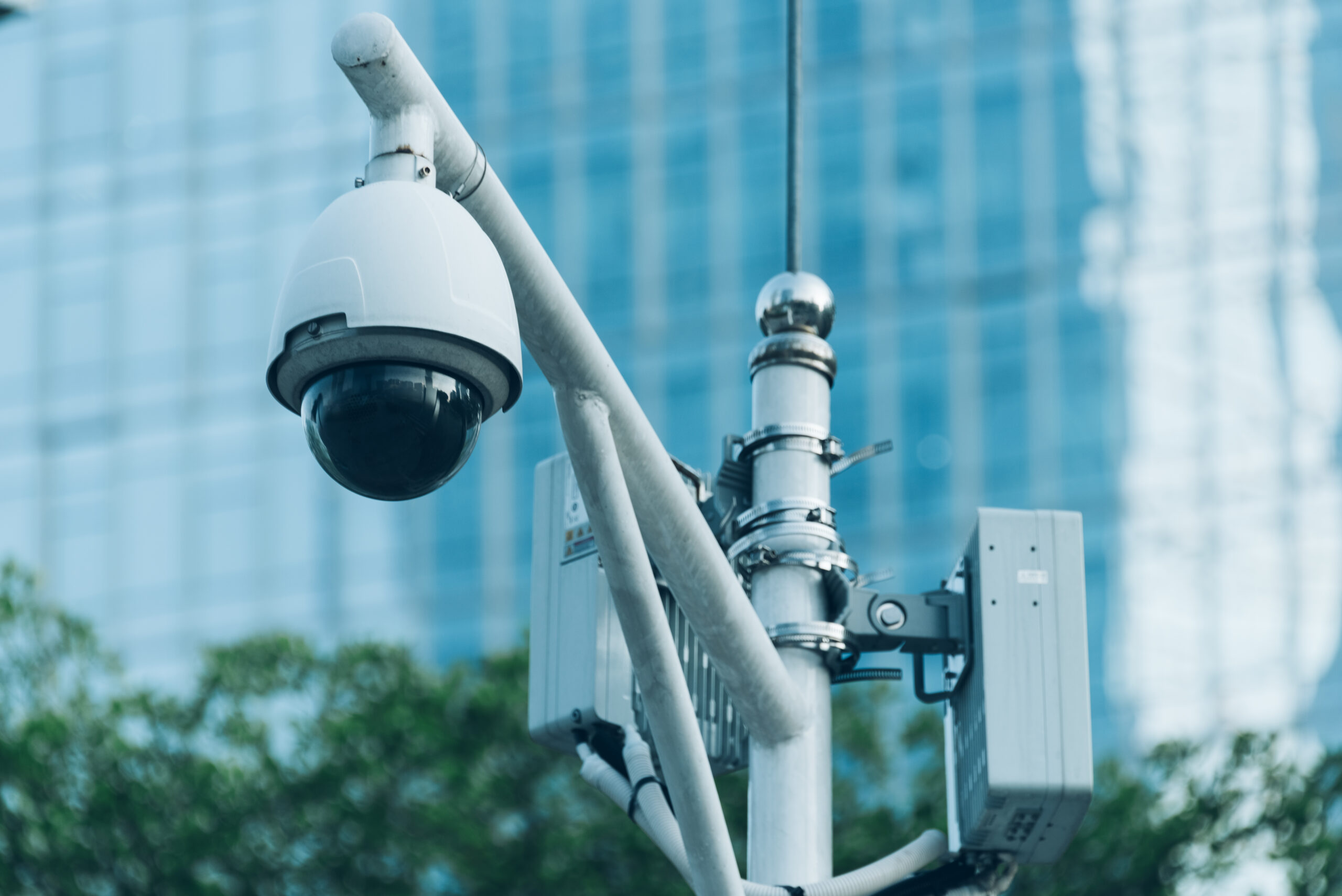
    A surveillance camera can be online, recording and technically healthy while failing its operational purpose. A changed shelf, new sign, seasonal vegetation or altered lighting may block the critical part of a scene. Field-of-view verification is the process of proving that each camera still observes the people, objects and routes identified in the security design.

    Start with the security objective

    Every audit should begin with a plain-language statement of purpose. A camera may be intended to detect movement at a boundary, observe activity in a lobby, identify a person at a controlled door or document a vehicle at an entry lane. Those are different tasks. A wide image that looks impressive on a monitor may not contain enough useful detail at the point where an incident must be understood.

    The audit record should identify the camera, location, intended scene, critical zones, retention path and responsible owner. A current site plan or annotated reference image helps the reviewer compare the design assumption with the live view. Avoid judging coverage only from a thumbnail in a video wall.

    Verify the scene under real conditions

    Reviewers should test representative daytime and nighttime conditions, including direct sunlight, reflections, backlighting, rain where relevant and changes caused by automatic exposure or infrared illumination. A person should walk the expected route while the team confirms whether operators can follow the movement across cameras. For vehicle applications, test the lane positions and speeds that occur in practice.

    Privacy masks, analytic regions, focus, zoom and image orientation should be checked together. A firmware or VMS update can preserve the video stream while resetting analytics or changing behavior. ONVIF interoperability can support device communication, but it does not prove that the resulting image meets the security objective.

    Look for operational blind spots

    A blind spot is not limited to an area outside the lens. It can also be a zone hidden by foreground objects, an overexposed doorway, an angle where faces are consistently turned away or a handover gap between adjacent cameras. Operators should report recurring ambiguities because these observations often reveal problems that a one-time installer test misses.

    The audit should include the live view, recorded playback and export path. Time accuracy, image quality during motion and retrieval from the correct archive all matter. Where analytics generate alarms, confirm that the detection zone corresponds with the verified scene.

    Document, prioritize and retest

    Findings should be ranked by operational effect. A blocked decorative overview is not equivalent to a blind spot at a high-risk access point. Corrective actions may include cleaning, refocusing, changing the mount, adjusting lighting, trimming vegetation or adding coverage. Keep before-and-after images and record who accepted the result.

    Field-of-view audits should be repeated after construction, layout changes, camera replacement and significant software updates. They also belong in periodic assurance for a video surveillance program. The goal is not to prove that cameras exist; it is to prove that usable evidence and situational awareness remain available where the risk assessment requires them.

    Reference sources

  • Gyazo Breach Exposes 23.6 Million Users and 490 Million Metadata Records

    Gyazo Breach Exposes 23.6 Million Users and 490 Million Metadata Records

    Gyazo developer Helpfeel has disclosed a breach involving approximately 23.6 million user records and a much larger collection of image metadata. Infosecurity Magazine reported that attackers exploited a vulnerability in an upload server, while Helpfeel’s 16 September notice said the weakness had been remediated.

    Why metadata can be sensitive

    The affected metadata reportedly included image identifiers, source IP and URL information, user-agent data, OCR-extracted text and other fields connected with captures. Such records can be valuable even when they are not the original image. OCR text may contain terminal output, internal application details or credentials that happened to be visible in a screenshot.

    Helpfeel warned that some metadata could be used to construct image URLs and temporarily restricted access to affected images. The company urged users to change passwords, particularly where credentials were reused, and to watch for follow-on phishing. Some data related to older images, which may reduce but does not remove risk.

    Lessons for screenshot and collaboration tools

    Organizations should treat screenshot services as data processors within their security inventory. Retention, OCR, access control and deletion settings deserve review, and secrets visible on screen should be considered exposed if captured. The incident reinforces the need for incident response plans that examine metadata and derived data, not only primary files.

    Sources

  • Qtonic Launches QShield for Post-Quantum Network Encryption

    Qtonic Launches QShield for Post-Quantum Network Encryption

    Qtonic Quantum has launched QShield, a software product intended to protect network traffic between compatible Linux endpoints with post-quantum key establishment and authentication. Security Today reported that the product combines these mechanisms with conventional authenticated packet encryption.

    Migration at the connection layer

    The company says QShield uses standardized post-quantum algorithms for establishing keys and authenticating endpoints. A connection-layer approach can help organizations test migration without immediately replacing every application. It does not eliminate the need to inventory cryptography elsewhere, including certificates, stored data, firmware and third-party services.

    Qtonic also described a fail-closed design and published test materials from a multi-day run between cloud hosts. These are vendor-reported results, not an independent certification. Security Today explicitly noted that the company does not claim FIPS 140-3 validation or government authorization for the product.

    How buyers should evaluate the claim

    Organizations should verify algorithm implementation, key management, performance under failure and interoperability with operational tooling. A post-quantum label does not by itself establish secure deployment. QShield is another sign that cyber-physical security teams need a documented cryptographic inventory and a staged migration plan rather than a last-minute product replacement.

    Sources

  • Boston Dynamics Positions Mobile Robots for Enterprise Security

    Boston Dynamics Positions Mobile Robots for Enterprise Security

    Boston Dynamics is presenting mobile robots as tools for enterprise inspection and security operations, extending sensor coverage into locations that may be repetitive, remote or hazardous for personnel. International Security Journal examined the shift on 21 September.

    From patrol visibility to repeatable inspection

    A mobile robot can carry cameras, thermal sensors or environmental instruments along a defined route. The security value is not simply movement: the platform must collect consistent observations, transmit them reliably and flag deviations that a human operator can assess. Repeatable inspection can be useful around industrial assets, utility spaces and large campuses.

    Robots do not remove the need for a response team. Stairs, doors, crowds, weather and communications gaps can limit coverage, while an ambiguous alert still requires judgment. Operators also need rules for privacy, recording and interaction with employees or visitors.

    Integration and governance

    Before deployment, organizations should map safe routes, define no-go areas, test loss-of-communications behavior and secure the robot’s credentials. Video and telemetry should enter the existing command workflow rather than create a separate unmonitored console. Mobile robots can strengthen industrial safety and monitoring when their role, limitations and escalation process are explicit.

    Sources

  • Streamlight Launches Hazard-Rated Side-Mounted Firefighter Helmet Light

    Streamlight Launches Hazard-Rated Side-Mounted Firefighter Helmet Light

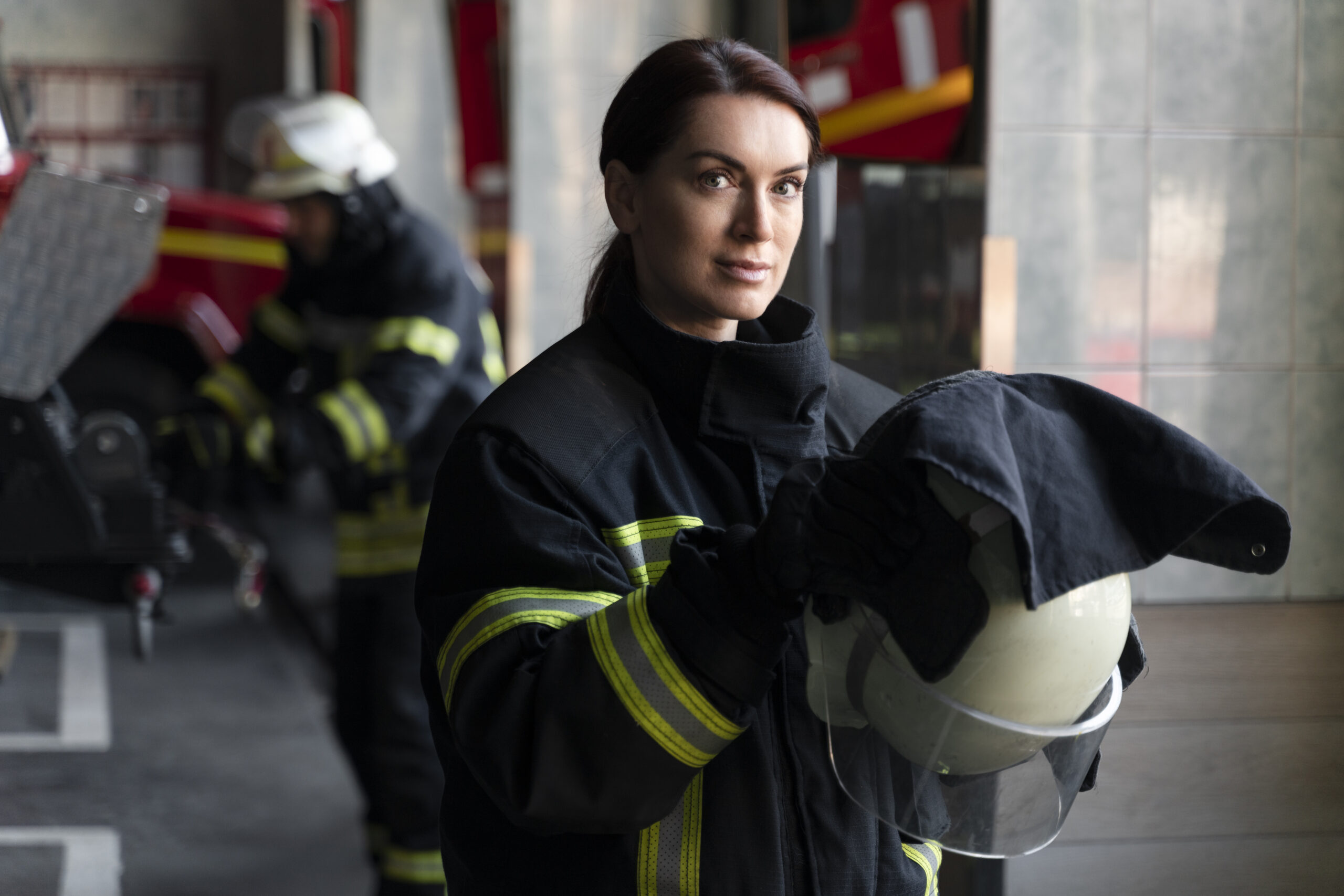
    Streamlight has introduced the SL-SideSaddle HAZ-LO, a side-mounted helmet light aimed at firefighting and rescue work in locations where equipment may need a hazardous-location rating. International Fire and Safety Journal reported the launch on 21 September.

    Helmet-mounted lighting as safety equipment

    A helmet light keeps both hands available and can illuminate the direction in which the wearer is looking. Side mounting is intended to reduce interference with other helmet components, but fit must be assessed with the complete ensemble, including face protection, communications equipment and breathing apparatus. A light that catches on equipment or changes helmet balance can create a new problem.

    Hazardous-location suitability should be confirmed against the exact certification and operating environment rather than inferred from the product name. Users also need to follow battery, charging and inspection instructions. Damage to seals or housings can invalidate assumptions made at procurement.

    Deployment considerations

    Fire services should test beam pattern, controls and glove usability under realistic visibility conditions. Equipment checks should be incorporated into routine readiness procedures, including battery state and secure attachment. The product sits within a broader emergency and life-safety system in which personal lighting supports, but does not replace, team communications and scene illumination.

    Sources

  • US Air Force Seeks Deployable Counter-UAS Package

    US Air Force Seeks Deployable Counter-UAS Package

    The U.S. Air Force is seeking a deployable counter-UAS package intended to address gaps in the protection of operating locations. A federal opportunity notice identified by Unmanned Airspace points to demand for a capability that can be moved, established and integrated without relying on a permanent site architecture.

    What deployability changes

    A transportable system must balance coverage with logistics. Sensors, command equipment, power, communications and any authorized effectors have to fit the deployment concept and become operational within a useful period. Equipment that performs well at a fixed test range may behave differently when terrain, electromagnetic conditions and local air traffic are unfamiliar.

    The requirement also highlights the importance of interoperability. Counter-UAS packages need to exchange tracks and alerts with base-defense teams while preserving evidence for later review. Identification and escalation procedures must account for friendly drones, contractors and civilian activity near the protected area.

    Evaluation priorities

    Field testing should examine false alerts, setup repeatability, track continuity and operator workload, not merely maximum detection range. Sustainment, software updates and training can determine whether a deployable system remains useful after the initial exercise. The solicitation adds another procurement signal in the expanding counter-UAS market.

    Sources